
CSCA
CSCA test center locations: In-Person & Remote Hubs
Check official CSCA test center locations, in-person testing hubs, and remote online exam

Scholarship application and exam preparation support.
Practice tests, strategies, and feedback to help you achieve your target score.
Targeted training and past paper practice to boost your exam performance.
Mock interviews and coaching to help you succeed in admissions and visa interviews.
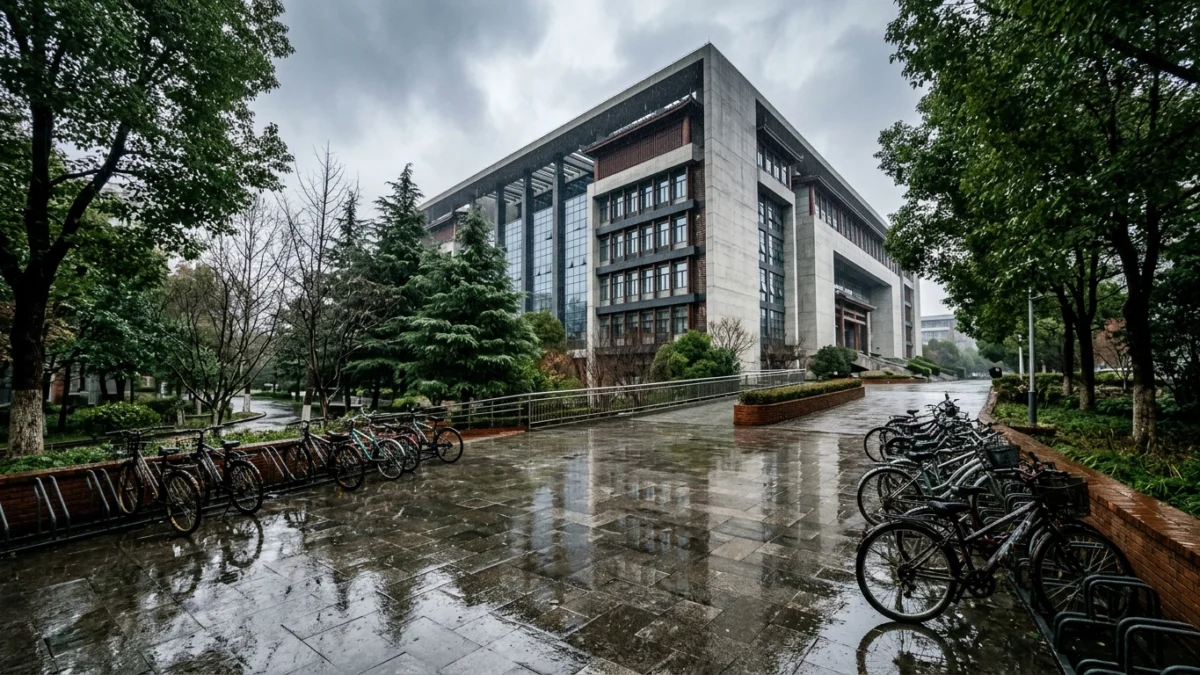

You have just received your admission letter, but reviewing your monthly budget suddenly makes you pause. Exploring the cheapest student cities in China allows you to secure a world-class degree without draining your family’s savings.
Geography plays a decisive role in your overall spending. While coastal hubs carry steep living expenses, inland provincial capitals offer top-ranked institutions alongside a remarkably low cost of living in China for students. Choosing one of these dynamic educational centers means your monthly allowance stretches much further, covering quality accommodation, daily dining, and campus life comfortably.
Navigating university tiers, academic standards, and regional expenses requires clear planning. At Great Wall Education, we help Moroccan candidates identify high-value academic hubs that align with their career ambitions and personal budgets.
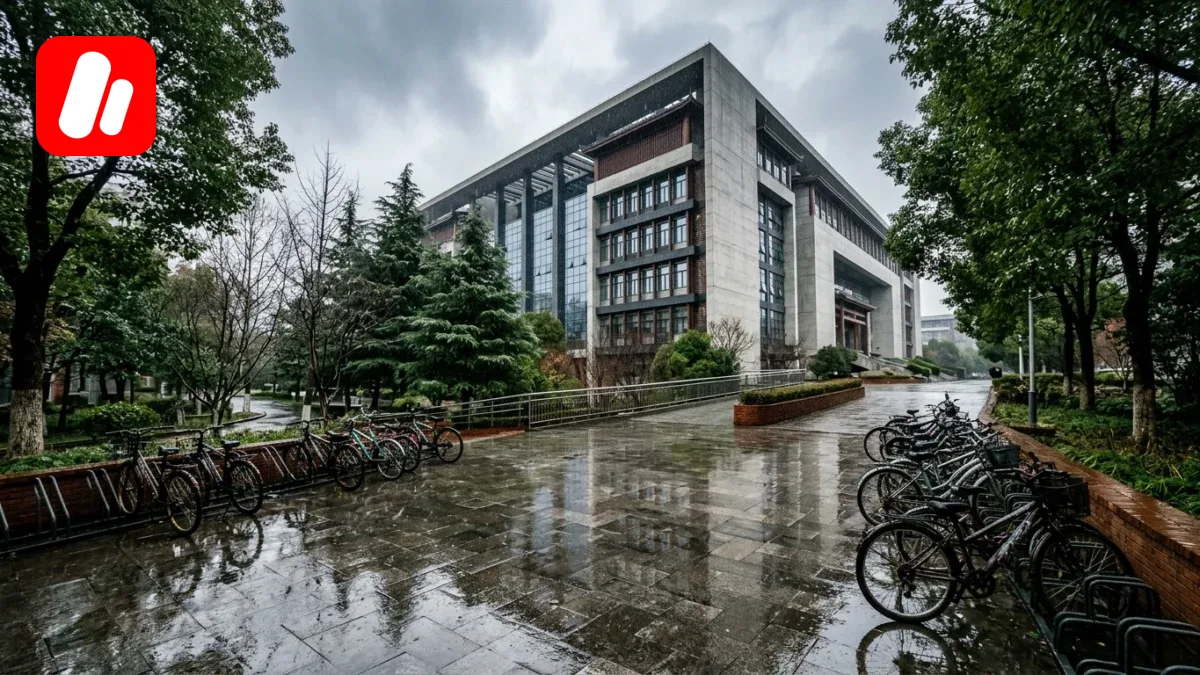
Location shapes your monthly expenses in China more than your tuition does. Coastal metropolises operate on international price scales, whereas inland hubs offer full academic resources at a fraction of the price. If you evaluate your budget across city tiers, the financial gap becomes obvious immediately.
| City Tier & Examples | Dorm / Rent | Canteen Meals | Public Transit | Total Monthly Budget |
|---|---|---|---|---|
| Tier 1 Hubs (Beijing, Shanghai) |
1,800 – 3,500 RMB | 1,500 – 2,200 RMB | 200 – 350 RMB | 4,500 – 7,500 RMB (~6,300 – 10,500 MAD) |
| Low Cost Chinese University Cities (Chengdu, Xi’an, Kunming, Wuhan) |
500 – 1,200 RMB | 800 – 1,350 RMB | 80 – 150 RMB | 1,800 – 3,200 RMB (~2,500 – 4,500 MAD) |
Dates and cost figures are indicative and subject to individual lifestyle and university policy. Students planning their admissions for 2027 should treat these numbers as baseline ranges rather than fixed guarantees, especially when budgeting for self-funding studies in China.
The price difference between coastal centers and inland provincial capitals comes down to fundamental market dynamics. Data from Numbeo cost of living comparisons highlights that commercial real estate and local wage baselines drop sharply once you leave the eastern seaboard.
Primary macroeconomic factors:
These economic realities make inland destinations the cheapest places to study in China without compromising teaching standards or laboratory facilities.
Beyond the raw tier averages, certain provincial capitals stand out for pairing world-class institutions with remarkably low overheads. Choosing between central and western hubs allows you to experience modern urban infrastructure while avoiding the steep premiums found along the eastern seaboard.
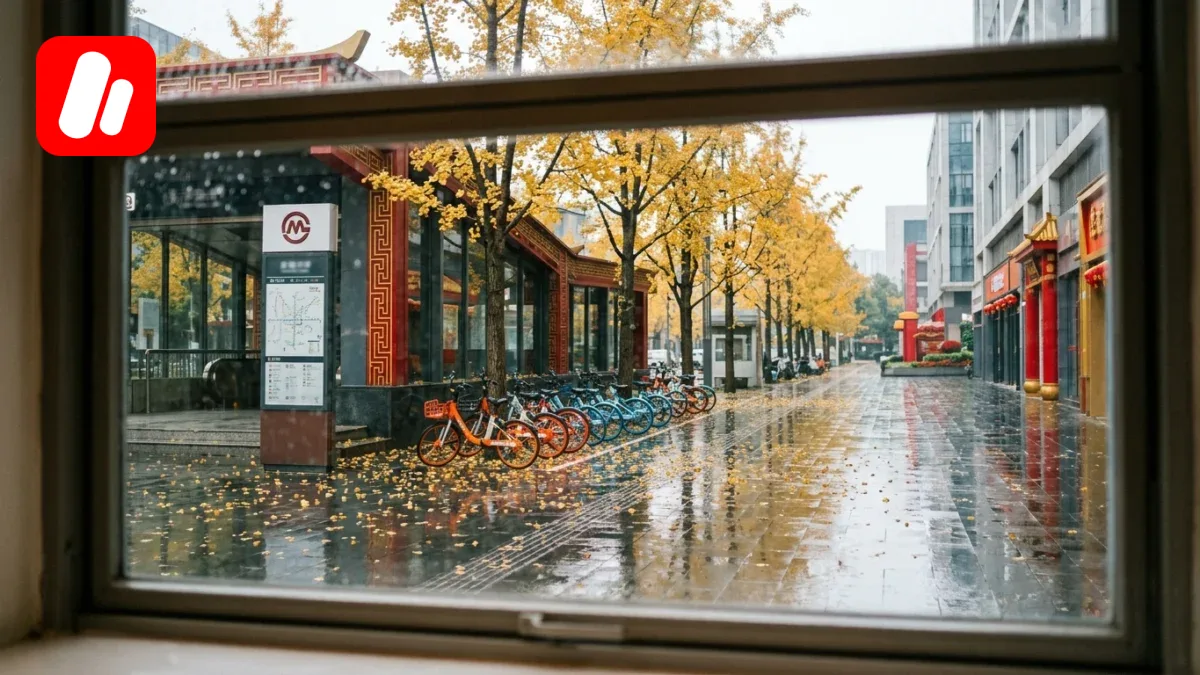
Here are five of the premier affordable cities in China for international students heading into the 2027 intake:
1. Chengdu (Sichuan Province)
Known for its relaxed pace and rich culinary heritage, Chengdu offers a balanced monthly lifestyle budget of 1,800 RMB to 3,200 RMB. It hosts prestigious institutions such as Sichuan University and University of Electronic Science and Technology of China (UESTC). Learn more about campus life in our guide to Study in Chengdu.
2. Xi’an (Shaanxi Province)
As the historical starting point of the Silk Road, Xi’an ranks among the low cost Chinese university cities with vast academic appeal. Chang’an University and Xi’an Jiaotong University anchor a student-friendly metropolis where city bus and subway transit expenses run just 80 RMB to 150 RMB per month.
3. Wuhan (Hubei Province)
Wuhan features one of the highest concentrations of college students globally, anchored by Wuhan University and Huazhong University of Science and Technology. The city provides comprehensive metro links and budget-conscious dining options without coastal price tags.
4. Kunming (Yunnan Province)
With its year-round temperate climate, Kunming is frequently highlighted among the cheapest places to study in China. Institutions like Yunnan University benefit from provincial subsidies approved by the Ministry of Education of the People’s Republic of China, making local daily living exceptionally economical.
5. Chongqing Municipality
Adjacent to Sichuan, this sprawling mountain metropolis combines robust modern transport with street-food pricing. Chongqing University anchors an environment where a student’s baseline cost of living in China for students remains well below national coastal averages.
Balancing city living costs with faculty reputation is straightforward when you explore how to select the Best Chinese University and Scholarship ahead of opening deadlines.
💡 Tip from the Great Wall Education team: Look at universities in inland provincial capitals if your goal is full immersion. Cities like Xi’an and Chengdu have extensive metro lines that reach campus gates, saving you both taxi fares and central-district housing costs.
Once you narrow down your target location among the low cost Chinese university cities, your day-to-day spending comes down to two primary decisions: where you sleep and what you eat. Managing these two factors effectively keeps your basic monthly expenses remarkably predictable.
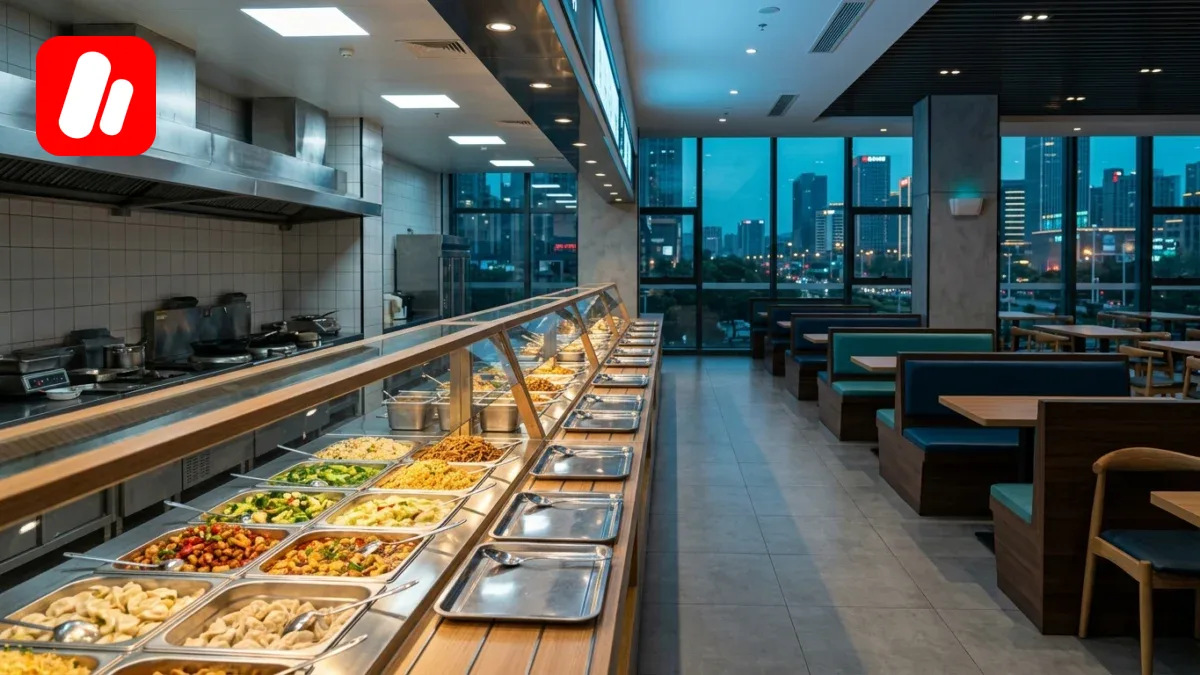
Most universities offer dedicated international student dormitories, which remain the most practical option for newly arrived students. If you prefer independent living, renting an apartment off campus becomes viable after your first semester, though it requires higher initial deposits and ongoing bills.
Monthly housing and utility expenses:
Campus dining halls offer subsidised, freshly cooked meals that significantly lower the cost of living in China for students. Moroccan students frequently choose on-campus halal canteens (Qingzhen shitang), which serve nutritious beef noodle bowls, steamed rice, and stir-fried vegetables.
Everyday meal spending comparisons:
Cooking basic meals in shared dormitory kitchens or eating mainly in university canteens allows you to maintain a healthy diet while keeping your daily food budget well within your planned limits.
Scholarships can change your financial equation entirely, especially when you study outside coastal hubs. The Chinese Government Scholarship (CSC) monthly stipend provides 2,500 RMB for Bachelor’s students, 3,000 RMB for Master’s candidates, and 3,500 RMB for PhD researchers. In the cheapest student cities in China, where overall monthly expenses range between 1,800 RMB and 3,200 RMB, these allowances comfortably cover living costs and often leave room for monthly savings.
You cannot rely on casual jobs to fund your degree. Chinese immigration law strictly regulates student employment, meaning unapproved off-campus work carries severe penalties, including fines and visa cancellation. Any legal work must remain secondary to your studies.
Permitted student work opportunities:
Securing full or provincial funding in low cost Chinese university cities gives you complete peace of mind, allowing you to focus on your academic progress without financial stress.
Even when a scholarship covers your routine expenses, overlooking arrival costs can disrupt your finances during your first month abroad.

Common financial oversights include:
Planning for these setup expenses ensures you experience the true cost of living in China for students without unnecessary early stress.
Avoiding unexpected expenses starts with picking the right base for your degree. Choosing regional university hubs over expensive coastal megacities lets you protect your budget while securing world-class training. By settling in the cheapest student cities in China, you can comfortably cover your daily routine, live well, and graduate completely debt-free.
Studying abroad should build your future without draining your family’s savings. Our team at Great Wall Education helps you assess your goals, select the right academic institution, secure eligible scholarships, and organize a reliable financial roadmap from day one. Reach out to our advisors today to build your personalized plan for studying in China.
Inland and central hubs like Xi’an, Chengdu, Wuhan, and Harbin rank among the cheapest student cities in China. In these lower-tier destinations, monthly living costs range from 1,800 RMB to 3,200 RMB (around 2,500 MAD to 4,500 MAD), compared to 4,500 RMB to 7,500 RMB in Tier 1 metropolises like Beijing or Shanghai.
A student spends between 25 RMB and 45 RMB per day eating at campus canteens in China. This totals around 800 RMB to 1,350 RMB per month for balanced, budget-friendly meals. Cooking simple meals in a shared dormitory kitchen or eating at casual local noodle spots keeps monthly food expenses well within this typical range.
Yes, on-campus university dormitories are significantly cheaper than private apartments. In low-cost Chinese university cities, a university dorm room costs between 500 RMB and 1,200 RMB per month with basic utilities included. In contrast, an off-campus one-bedroom apartment generally costs between 1,500 RMB and 2,500 RMB per month before separate utility bills.
Yes, a Chinese Government Scholarship (CSC) fully covers living expenses, especially in the cheapest student cities in China. The scholarship provides a monthly living stipend of 2,500 RMB for Bachelor’s, 3,000 RMB for Master’s, and 3,500 RMB for PhD students, comfortably meeting the 1,800 RMB to 3,200 RMB average monthly budget in low-cost destinations.
Students must pay 800 RMB per academic year for mandatory comprehensive international student medical insurance upon arrival. Additionally, local public transportation across buses and subways averages 80 RMB to 150 RMB per month. You should also account for annual student visa residence permit fees and local SIM card data packages.
Check official CSCA test center locations, in-person testing hubs, and remote online exam
Discover the cheapest student cities in China for 2027. Compare low cost Chinese
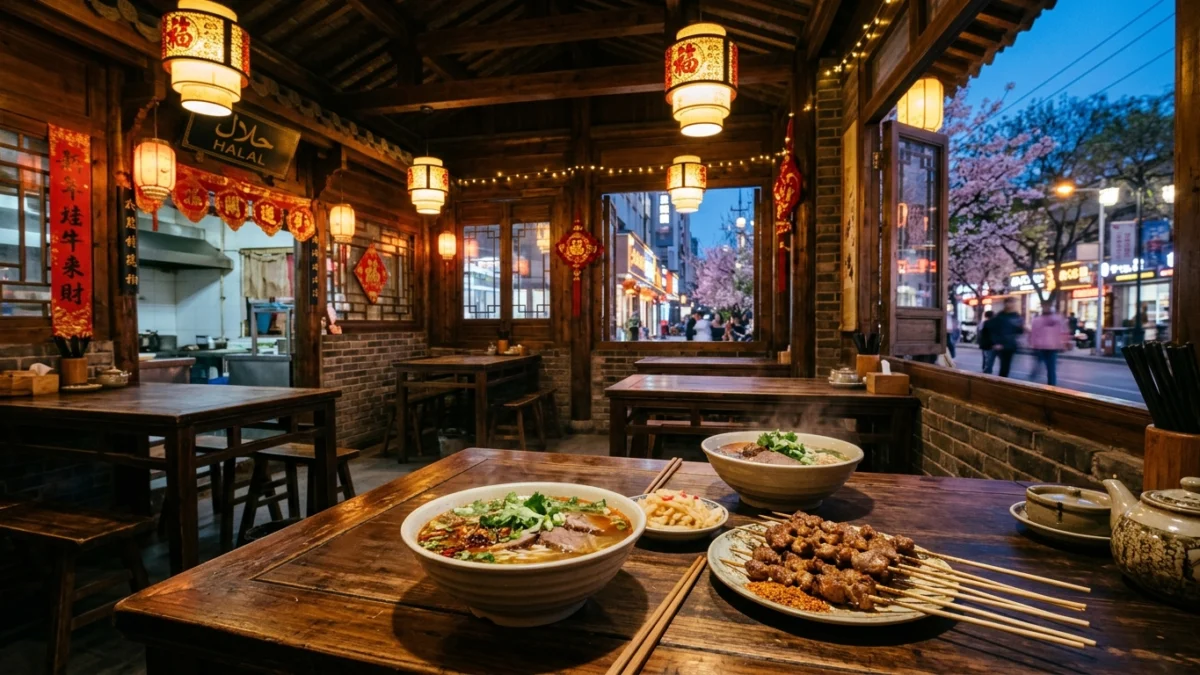
Finding halal food in China is straightforward for Muslim students. Discover campus halal