How To - Guides
How to Choose the Best Chinese University and Scholarship for International Students in 2027
Find the best Chinese university and scholarship for 2027 with our expert breakdown

Scholarship application and exam preparation support.
Practice tests, strategies, and feedback to help you achieve your target score.
Targeted training and past paper practice to boost your exam performance.
Mock interviews and coaching to help you succeed in admissions and visa interviews.

Securing an international degree with full funding can transform your academic future, but finding the Best Chinese University and Scholarship match requires a clear, practical strategy. If you plan to study in China 2027, the application window for the autumn intake opens between November 2026 and January 2027, making right now the moment to prepare your targets.
Top global metrics often tell only half the story. While China university rankings for international students highlight academic powerhouses, your actual success depends on how well your qualifications align with specific institutional quotas, language tracks, and award criteria.
This combined analysis serves as your practical Chinese scholarship selection guide. We compare elite institutions alongside national grants and provincial government scholarships, giving you clear criteria to choose Chinese university options that fit your academic profile and funding needs.
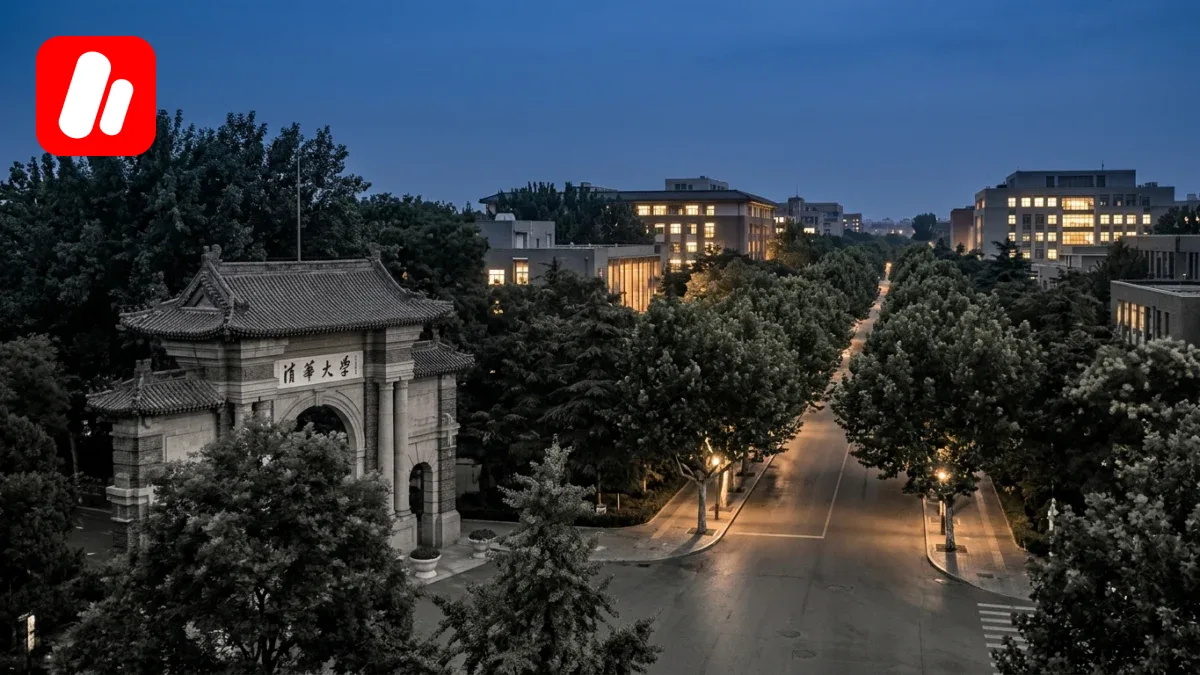
Pairing your profile with the right institution dictates your funding outcome. When looking at English-Taught Bachelor Scholarships in China alongside graduate tracks, top-tier institutions align with distinct academic fields and funding pots. Reviewing China university rankings for international students reveals clear institutional strengths across China’s elite C9 League.
Top institutional options for international candidates:
When you choose Chinese university options, aligning your academic record with realistic acceptance rates protects your chances. Super-tier institutions like Tsinghua and Peking demand exceptional GPAs, competitive standardized tests, and published research for postgraduate applicants. For many candidates, prominent specialized institutions, such as Harbin Institute of Technology for robotics or Beihang University for aerospace, provide better admission odds with identical government stipends.
Once you identify your target institutions, matching them with the right funding program requires understanding official timelines. The Ministry of Education of the People’s Republic of China oversees major funding streams, with portals for the autumn 2027 intake opening between November 2026 and January 2027.
The table below summarizes primary funding options. Note that dates are indicative and must be confirmed on individual university portals.
| Track | Opens | Closes | Target Audience | Primary Coverage |
|---|---|---|---|---|
| CSC Type A | November 2026 | Late Feb – Early Apr 2027 | All degree levels via dispatching authorities | Full tuition, accommodation, stipend, medical insurance |
| CSC Type B | December 2026 | Feb 15 – Apr 30, 2027 | Direct university applicants | Full tuition, accommodation, stipend, medical insurance |
| Provincial / Municipal | January 2027 | April – June 2027 | Regional university applicants | Full or partial tuition, variable living grants |
Securing the Best Chinese University and Scholarship package depends on knowing what each scheme provides. Fully funded CSC awards include a comprehensive medical insurance package valued at 800 RMB per year, alongside standardized monthly living stipends: 2,500 RMB for bachelor’s students, 3,000 RMB for master’s candidates, and 3,500 RMB for doctoral researchers.
Provincial and municipal grants, such as the Shanghai Government Scholarship, provide flexible alternatives. These programs often feature tiered funding, covering full tuition plus basic support or offering partial fee waivers. When you choose Chinese university destinations, pairing regional grants with national schemes broadens your funding opportunities for your study in China 2027 plans.
💡 Tip from the Great Wall Education team: Keep track of portal cut-off hours on your schedule. Most Chinese admissions platforms close strictly at midnight Beijing time (UTC+8), which corresponds to 17:00 Moroccan time (UTC+1, or 16:00 during Ramadan at UTC+0).
Securing full government funding requires picking the exact channel aligned with your academic background. The Chinese Government Scholarship splits into two main routes, Type A and Type B, each running on distinct quotas, administrative paths, and selection procedures.
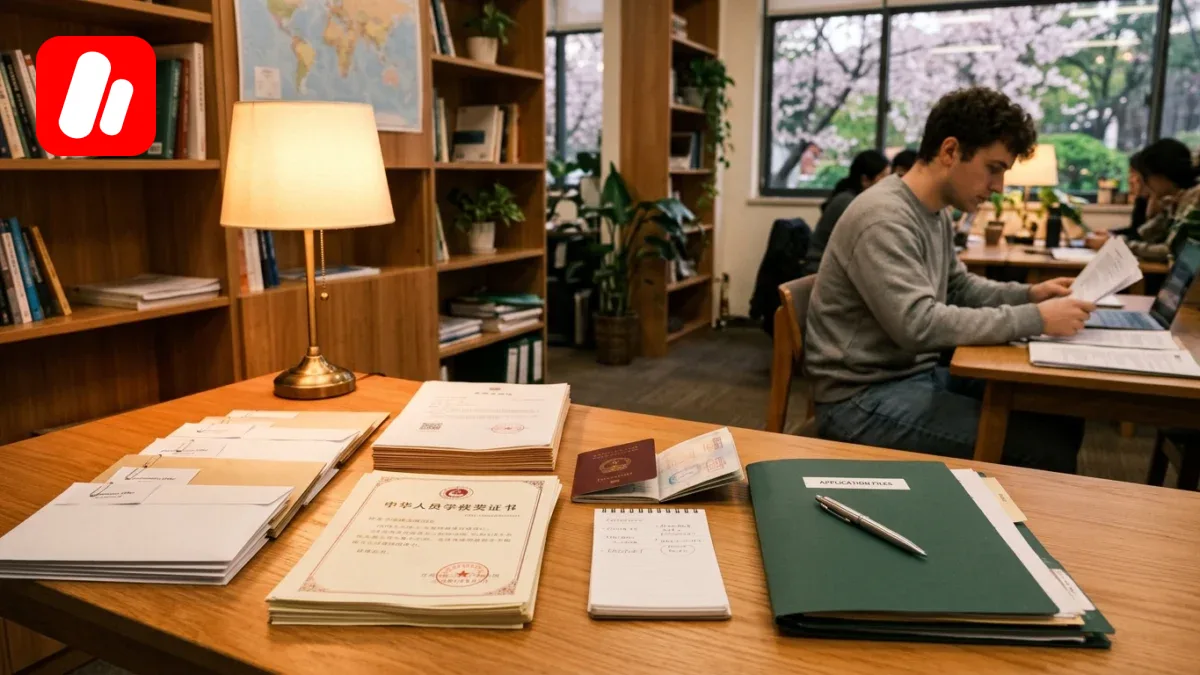
Every Chinese scholarship selection guide points out this fundamental divide: Type A channels through bilateral diplomatic authorities, while Type B goes straight to your target institution.
| Feature | CSC Type A (Bilateral Program) | CSC Type B (University Program) |
|---|---|---|
| Application Channel | Dispatching authority or embassy in your home country | Direct university portal and CSC portal |
| Agency Code | Assigned to the dispatching embassy | Assigned specifically to each host university |
| University Choices | Up to 3 university preferences | Single designated host institution per application |
| 2027 Deadlines | Late February to early April 2027 | February 15 to April 30, 2027 |
Your background and degree level dictate which track maximizes your acceptance rate:
When to prioritize CSC Type A:
When to prioritize CSC Type B:
Balancing both tracks strategically allows you to land the best Chinese university and scholarship combination without wasting precious admission deadlines for the upcoming study in China 2027 intake.
Your choice of teaching medium directly influences your eligibility, required documents, and preparation timeline. When you look to choose Chinese university options, you do not automatically need to master Mandarin beforehand.
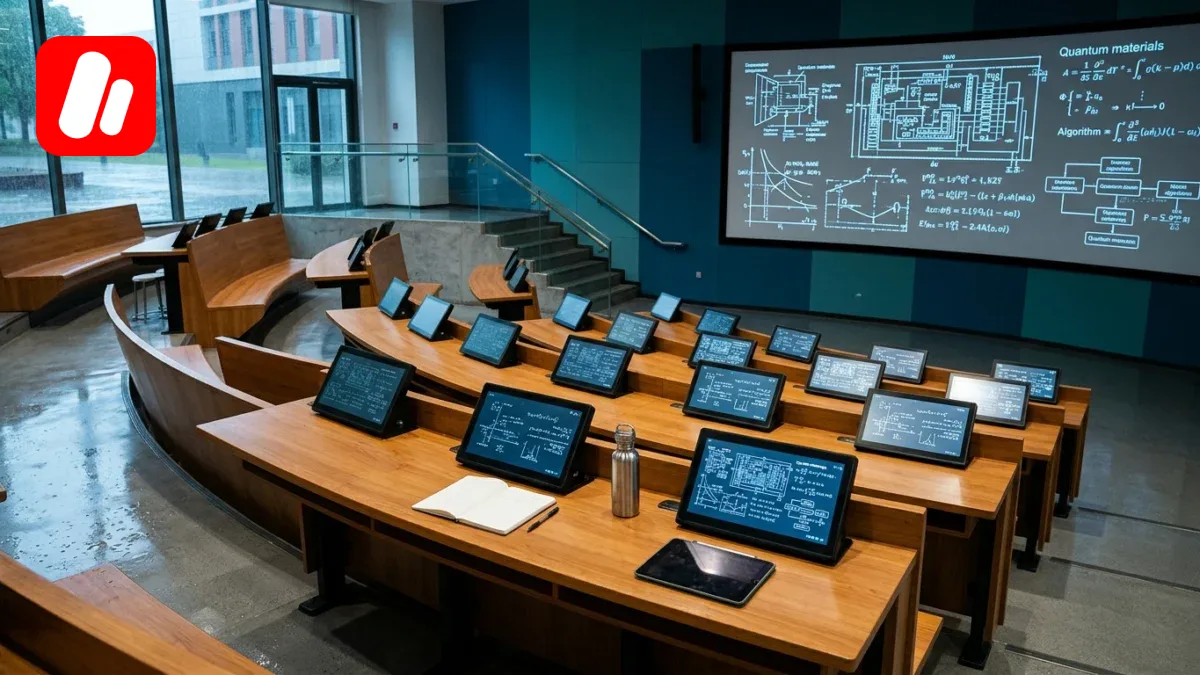
Hundreds of bachelor’s, master’s, and doctoral degrees run entirely in English across top institutions. For these tracks, universities require proof of English proficiency—typically an IELTS score between 6.0 and 6.5, a TOEFL score between 80 and 90, or an official English medium instruction certificate from your prior university. You do not need any HSK score for admission into English-taught tracks.
Chinese-taught programs require demonstrated Mandarin proficiency before you can start core academic coursework.
Core language requirements:
Full funding awards under the Chinese government scholarship 2027 requirements offer an accessible path forward even without prior language skills. If you secure a Chinese-taught award without an HSK score, the grant funds an extra one-year preparatory foundation course in Mandarin at a designated university. You can review the updated CSC terms and conditions to verify which faculties support this preparatory bridge year before academic registration.
Even with your language certificates ready, a single procedural oversight can disqualify your file before an admissions committee reviews your academic merits.
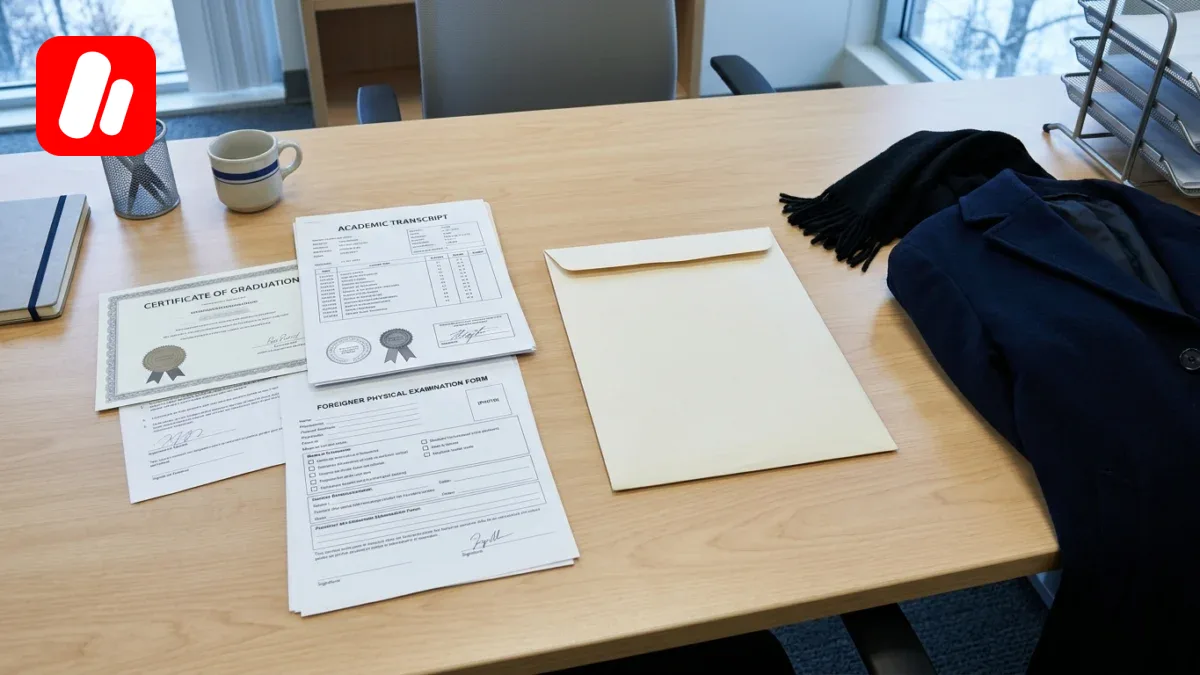
When you plan to study in China 2027, steer clear of these recurring application pitfalls:
Following a reliable Chinese scholarship selection guide ensures your documentation reaches target departments completely vetted and well ahead of peak submission dates.
Securing the right placement comes down to timing and early preparation rather than luck. Balancing realistic academic profiles with the best Chinese university and scholarship opportunities requires a methodical approach, especially as portals open for candidates planning to study in China in 2027.
Your immediate next step is gathering and legalizing your core academic records, finalizing your study plan, and confirming specific institutional deadlines. Starting this groundwork during the winter months gives you ample room to adjust your portfolio before major university quotas fill up.
Our team at Great Wall Education remains available to help you navigate program requirements and build a solid application file from start to finish. Take each requirement one step at a time, and you will position yourself well for a successful academic journey.
Top-tier institutions like Tsinghua or Peking University paired with the Chinese Government Scholarship (CSC) offer the best combination. This award fully covers tuition, accommodation, 800 RMB annual medical insurance, and monthly stipends: 2,500 RMB for bachelor’s, 3,000 RMB for master’s, and 3,500 RMB for doctoral candidates.
Match your academic background and target program directly with either the CSC Type A or Type B channel. Type A runs through your home country’s embassy between late February and early April 2027. Type B applications submit directly to universities between February 15 and April 30, 2027.
Yes, you can apply directly to English-taught degree programs without HSK test scores. Admission requires valid English proficiency proof, such as an IELTS score of 6.0 to 6.5, a TOEFL score of 80 to 90, or an official English medium of instruction certificate from your prior university.
Application portals for the Autumn 2027 intake open between November 2026 and January 2027. Applying early ensures adequate time to prepare certified academic transcripts, medical examination records, and institutional application processing fees, which range between 400 RMB and 1,000 RMB per university.
You must apply for an X1 student visa using your official admission notice and JW201 or JW202 visa form. After arriving in China, you must convert this single-entry X1 visa into a temporary residence permit within 30 days to legally maintain your study status.
Find the best Chinese university and scholarship for 2027 with our expert breakdown

Discover how provincial government scholarships fund international students in China for 2027. Compare

Explore China university partial scholarships, tuition waiver options, living costs, and accurate application