
Chinese Universities
Choose a Chinese University: 4 Crucial Steps
Learn how to choose a Chinese university in 2027 with accurate data on

Scholarship application and exam preparation support.
Practice tests, strategies, and feedback to help you achieve your target score.
Targeted training and past paper practice to boost your exam performance.
Mock interviews and coaching to help you succeed in admissions and visa interviews.


Are you worried that studying in China means taking the grueling national Gaokao exam? Understanding how China University Admission Entrance Exams work brings immediate relief: international applicants completely bypass the domestic testing system, following dedicated global tracks instead.
For Moroccan and international candidates, university evaluation paths generally rely on institutional assessments, portfolio reviews, or document screenings. While competitive programs use a specific study in China admission test to evaluate academic readiness, these institutional assessments differ fundamentally from the multi-day domestic marathon.
Navigating these evaluations requires a clear look at your overall academic profile, starting with essential China University GPA requirements alongside specific subject reviews. In this guide, our team at Great Wall Education outlines what the testing landscape looks like for the upcoming cycle, helping you approach each university assessment with clarity and confidence.

Understanding the screening framework helps you target your preparation effectively. China University Admission Entrance Exams operate under autonomous institutional policies rather than a single national standard, giving universities full discretion over assessment design.
| Track | Testing Window | Assessment Format | Target Profile |
|---|---|---|---|
| Direct Institutional Exam | March – May 2027 | Proctored written tests and academic interview | Applicants targeting competitive elite bachelor programs |
| Standardized Credential Waiver | December 2026 – April 2027 | Document evaluation plus interview | Holders of IB, SAT, or A-Level qualifications |
| Language & Foundation Route | April – July 2027 | Language placement and basic aptitude check | Bridging students building academic prerequisites |
Note: Assessment windows are indicative and vary across individual institutions.
Domestic high school graduates compete through the National College Entrance Examination, commonly called the Gaokao. According to regulatory frameworks from the Ministry of Education of the People’s Republic of China, universities assess overseas applicants through dedicated international student entrance exam China channels rather than this domestic system.
Key procedural differences include:
Fulfilling institutional testing standards often complements funding opportunities, such as meeting the Chinese government scholarship 2027 requirements for degree placement. If your academic portfolio matches university thresholds, planning early for your study in China admission test keeps every top-tier option open.
Once you know which admissions track fits your profile, understanding the exact syllabus of your written evaluation is the next critical step. Top-tier institutions like Peking University and Tsinghua University schedule undergraduate entrance assessments between March and May each academic cycle, testing academic foundations through rigorous, major-specific papers.
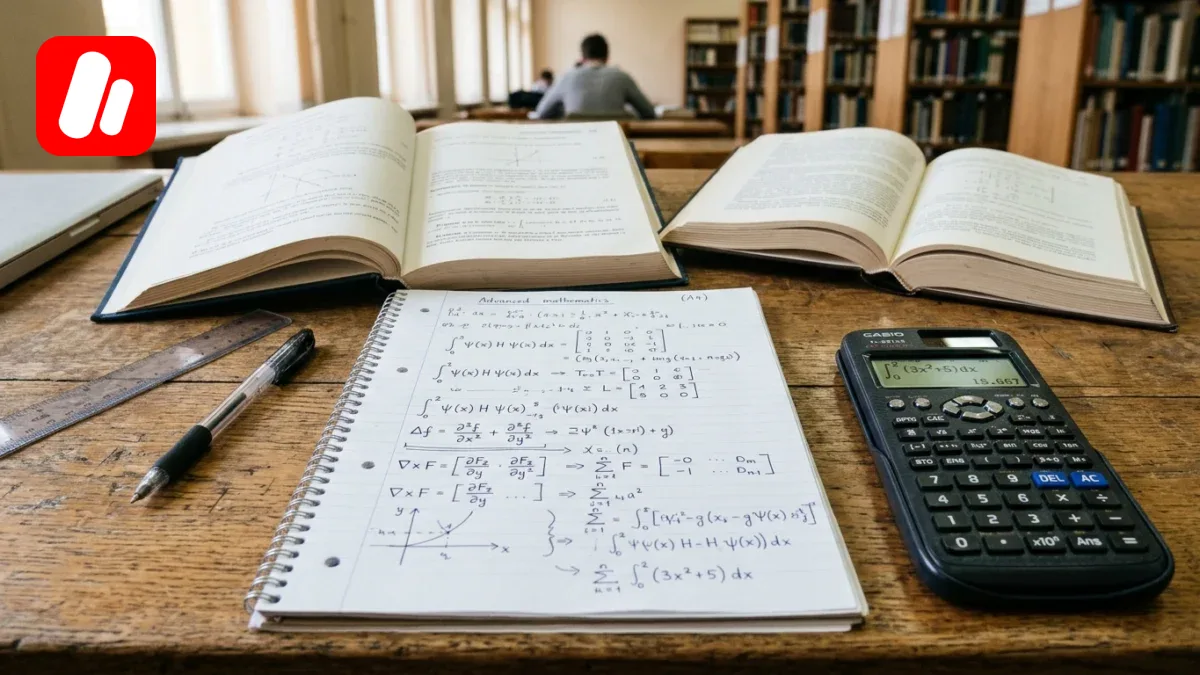
The academic content of an international student entrance exam in China splits sharply between science-focused and liberal arts disciplines.
Science and Engineering Tracks:
Humanities, Social Sciences, and Business Tracks:
These papers differ noticeably from typical high school finals because they evaluate theoretical depth and speed under tight time limits.
💡 Tip from the Great Wall Education team: Request past sample papers directly from your target faculty as early as December; practicing with university-specific math formats is the best way to avoid surprises during your study in China admission test.
Preparing for faculty-designed subject tests is not your only path into a degree program. Many leading institutions permit international applicants to submit recognized secondary school leaving qualifications instead, bypassing the written institutional evaluations entirely.
If you hold strong standardized academic results, you can often satisfy the Chinese university entrance requirements without taking a specialized written paper. Admissions committees review these scores to verify that your academic readiness matches domestic secondary standards.
Standard test waiver thresholds:
Bypassing the written study in China admission test does not remove language prerequisites. If you apply for a Chinese-taught track, you must still present your official HSK certificate through Chinese Testing International alongside your academic waiver request. Once admissions officers validate your standardized credentials, they usually advance your file straight to the university interview round.
Sitting for an international student entrance exam China from Morocco or elsewhere abroad happens entirely through secure online testing environments. Because physical travel is unnecessary during this stage, universities enforce strict technical protocols to protect assessment integrity.

Most institutions use dedicated proctoring platforms paired with enterprise meeting software like Voov Meeting – Tencent Meeting. Admissions offices publish technical guidelines weeks ahead of time so you can prepare your workspace.
Online entrance examinations use dual-camera proctoring systems requiring a primary laptop webcam and an auxiliary smartphone or tablet camera view. This setup ensures human invigilators and artificial intelligence monitors have continuous visibility.
Required hardware configuration:
Universities mandate that you test alone in a private, well-lit room with completely clear desks and neutral walls. A stable internet connection of at least 10 to 20 Mbps with an Ethernet backup ensures your exam stream does not drop mid-session.
Before the exam begins, you must complete live identity verification by displaying your physical passport page directly to the camera. Invigilators also require a continuous 360-degree pan of your room to confirm no unapproved reference materials or secondary individuals are present.
Even well-prepared applicants can stumble if they overlook the operational details that accompany remote testing.

When preparing for the China university entrance exams 2027 cycle, ensure you steer clear of these four frequent missteps:
Preparing early gives you a decisive advantage when navigating China University Admission Entrance Exams. With selective programs running their evaluations in the spring, reviewing specific faculty syllabi and completing your document authentications now ensures you meet every standard without unnecessary pressure.

Every university maintains distinct Chinese university entrance requirements, whether your pathway involves sat examinations, portfolio submissions, or standardized score waivers. Getting your academic credentials organized months before application portals open allows you to focus entirely on your academic performance.
You do not have to map out this journey alone. Great Wall Education helps you clarify your specific entry route, verify international equivalencies, and plan each milestone so you can approach your 2027 university applications with complete confidence.
No, international students do not sit for the national Gaokao exam. Instead, foreign applicants take independent institutional entrance examinations, undergo holistic document evaluations, or submit portfolios directly to individual Chinese universities.
Undergraduate entrance assessments for STEM majors typically test Mathematics, English proficiency, and either Physics or Chemistry. Top institutions like Peking University and Tsinghua University schedule these subject tests between March and May each cycle.
Yes, high scores on recognized standardized tests often exempt you from written subject exams. Many Chinese universities waive entrance tests if you present an SAT score of 1350+, an IB diploma with 32+ points, or three passed A-Levels.
Online entrance examinations operate under strict dual-camera proctoring environments. Candidates must connect a primary laptop webcam facing forward and an auxiliary smartphone or tablet placed behind them to monitor their desk, hands, and screen simultaneously.
Chinese-taught undergraduate programs require an HSK Level 5 certificate with at least 180 points, or HSK Level 4 for preparatory foundation tracks. English-taught degrees demand an IELTS score between 6.0 and 6.5 or a TOEFL iBT score of 80 to 85.
Learn how to choose a Chinese university in 2027 with accurate data on

Explore China Scholarships for Moroccan Students for 2027–2028. Discover CSC types, ministry requirements,

Planning on self-funding studies in China? Discover real 2027 costs, tuition fees, accommodation