Being a Muslim in China
Halal Food in China: Tips for Muslim Students
Finding halal food in China is straightforward for Muslim students. Discover campus halal

Scholarship application and exam preparation support.
Practice tests, strategies, and feedback to help you achieve your target score.
Targeted training and past paper practice to boost your exam performance.
Mock interviews and coaching to help you succeed in admissions and visa interviews.

Will you be able to eat well and follow your dietary principles after landing on campus? Finding reliable Halal Food in China is often the biggest concern for Moroccan students preparing to pack their bags, but your daily routine will be much easier than you might expect.
China is home to over 20 million Muslims across ten distinct ethnic groups, primarily the Hui and Uyghur peoples. Because of this rich heritage, daily Muslim student life in China includes well-established dietary networks in nearly every major academic hub, whether you settle in Beijing or choose to study in Chengdu.
Securing authentic halal food for Muslim students in China simply comes down to understanding local labels and university resources. In this practical guide, our team at Great Wall Education walks you through finding halal food in China using campus dining halls, neighbourhood eateries, and local phone apps so you can focus entirely on your studies.
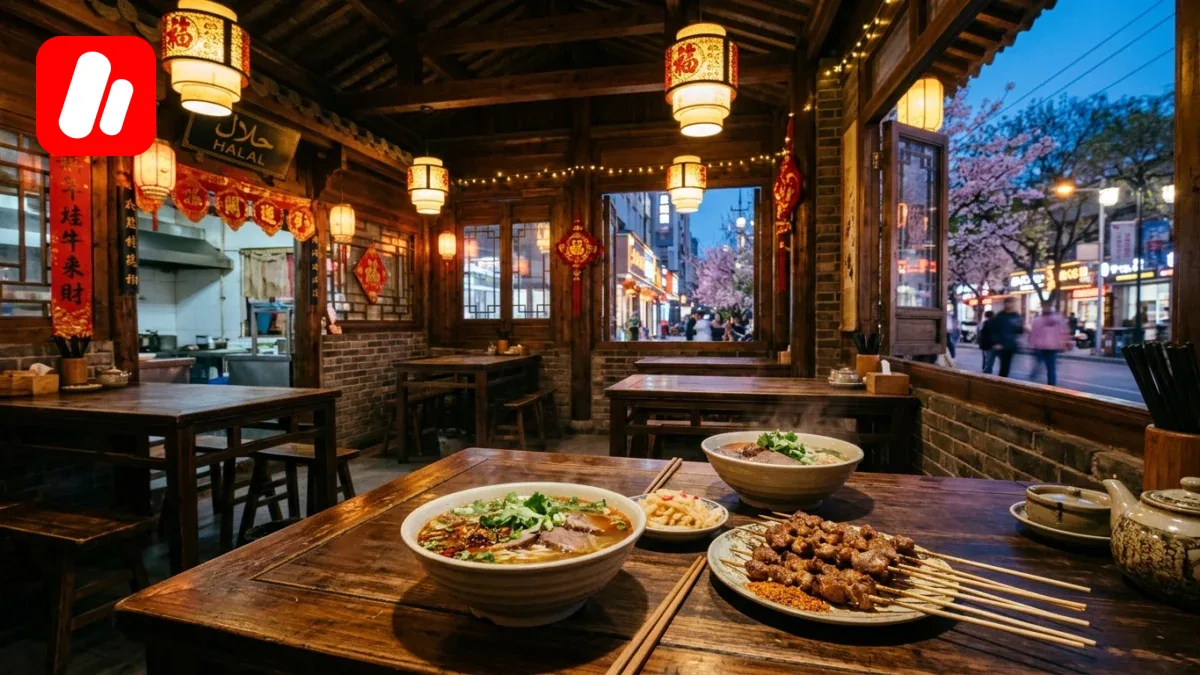
Settling into daily life as an international student means figuring out your meal routine early. You will find that sourcing halal food in China breaks down into four main dining channels, each offering distinct price points and everyday convenience.
| Dining Option | Average Cost (RMB) | Halal Verification Method | Best Suited For |
|---|---|---|---|
| Campus Halal Canteen | 10–25 RMB | University-managed municipal halal certificate | Daily budget meals between classes |
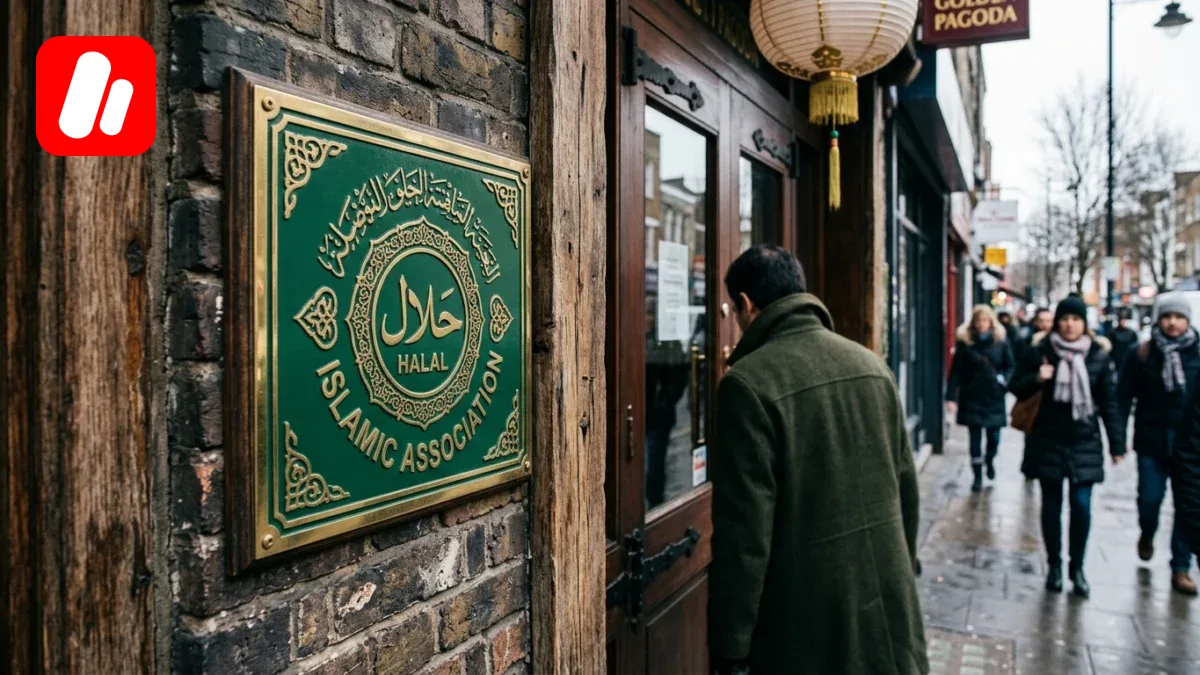
| Local Halal Restaurants | 20–50 RMB | Official Islamic Association green plaque | Casual dining and weekend outings |
| App Delivery (Waimai) | 25–60 RMB | In-app Qingzhen business license tag | Late study sessions and dorm meals |
| Dorm Cooking | 15–30 RMB per day | Certified labels on raw meat and packaging | Home-style cooking and batch prep |
Note: Prices listed above are indicative and vary depending on whether you live in major hubs or choose to study in Guangzhou and regional cities.
Finding halal food in China is straightforward once you know how the domestic certification system operates. In Mandarin, halal is designated as Qingzhen, a term indicating spiritual and dietary purity.
How official oversight works:
For day-to-day student life, finding halal food in China is easiest right on campus. Most major institutions host dedicated Qingzhen dining halls managed by Muslim chefs and certified by local ethnic and religious affairs bureaus. These facilities maintain separate cookware, dedicated storage, and distinct seating areas to preserve dietary standards.
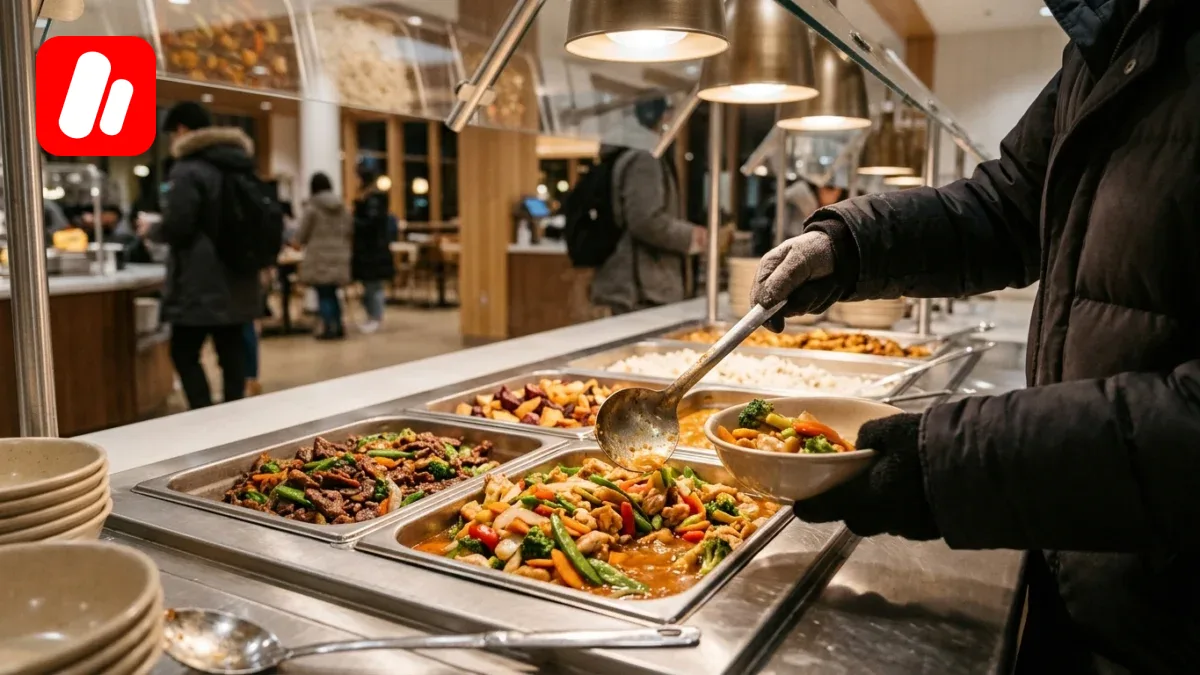
Everyday operations follow a simple, affordable routine tailored to campus life:
Campus dining essentials:
Campus accommodations also support active Muslim student life in China throughout the academic calendar. According to the Zhejiang University International Student Services: Dining Guide, university dining facilities frequently adjust operations during religious events, meaning halal canteens chinese universities run will alter daily opening schedules to serve early suhoor before dawn and fresh iftar meals at sunset during Ramadan.
When you want to eat outside your campus dining hall, your smartphone becomes the most effective tool for navigating everyday dining. Finding halal food in China is straightforward once you know which digital platforms to consult and how to filter local establishments.
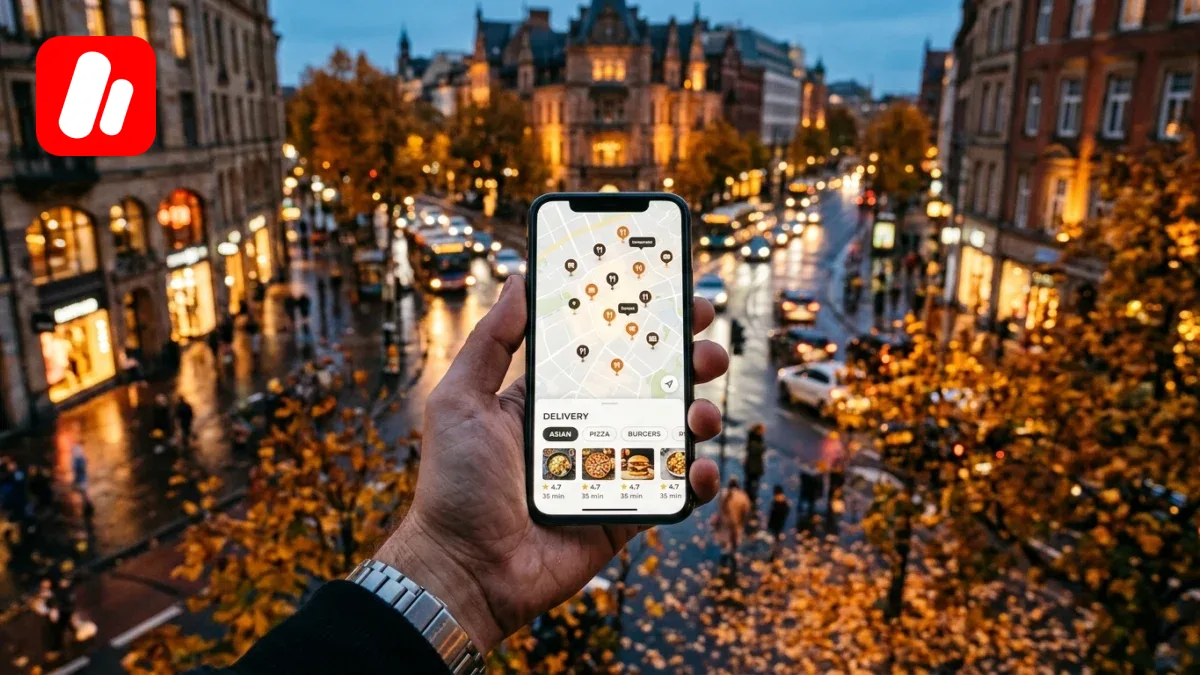
Three main mobile applications simplify discovering verified eateries nearby:
Most local platforms operate in Mandarin Chinese, but you only need one essential term to filter your results accurately:
The core keyword to copy and paste:
Mastering these search filters will quickly enrich your broader muslim student life in china, giving you access to varied regional cuisines beyond your standard routine.
💡 Tip from the Great Wall Education team: Save the characters 清真 in your phone’s digital notes or add them as a keyboard shortcut so you can paste them into your delivery apps in seconds.
Stepping outside your campus dining hall opens up a rich culinary tradition shaped by the Hui and Uyghur communities. When navigating Halal Food in China, knowing these four iconic dishes by name will help you order nutritious, hearty meals anywhere from street markets to sit-down restaurants.
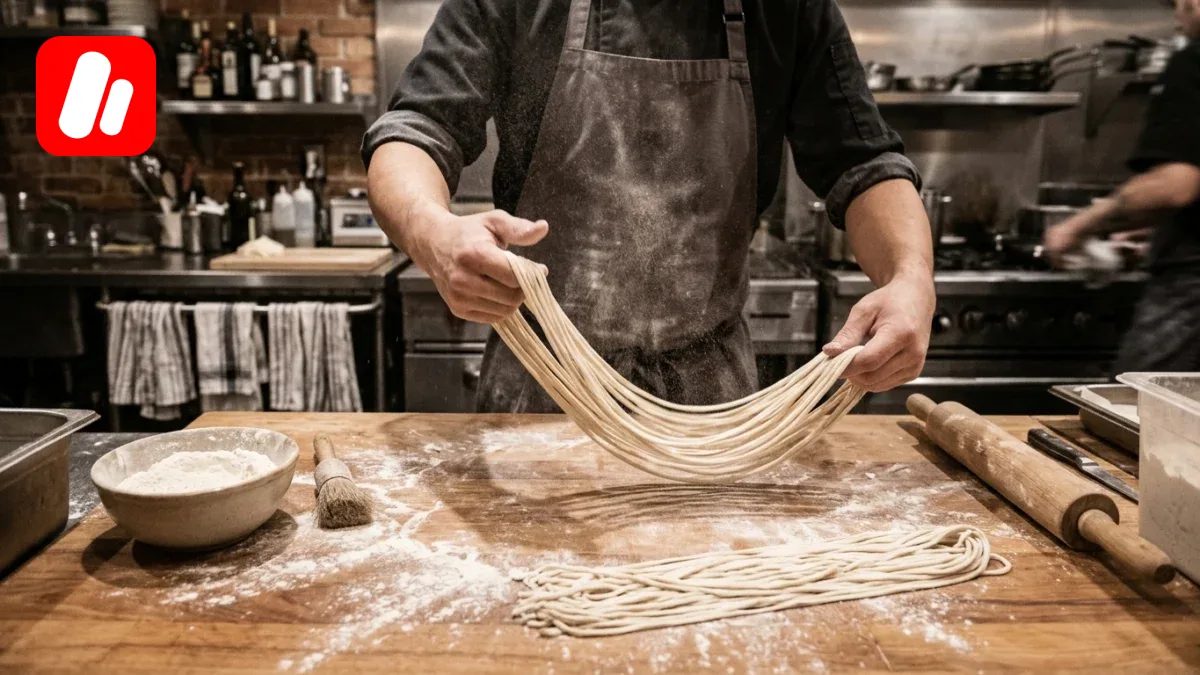
Essential everyday staples to order:
Recognizing these staples makes finding halal food in China straightforward, ensuring you eat delicious, authentic meals wherever your studies take you.
While eating out is convenient, preparing your own meals gives you total control over your ingredients and budget. Cooking at your residence is a rewarding part of Muslim student life in China, especially when you crave traditional dishes from home.
Most international student dormitories feature shared communal kitchens on each floor or in designated common areas. These spaces generally provide induction stoves, sinks, and countertops, though you will need to supply your own pots, pans, and cutlery to ensure they remain strictly halal.
Essential kitchen guidelines:
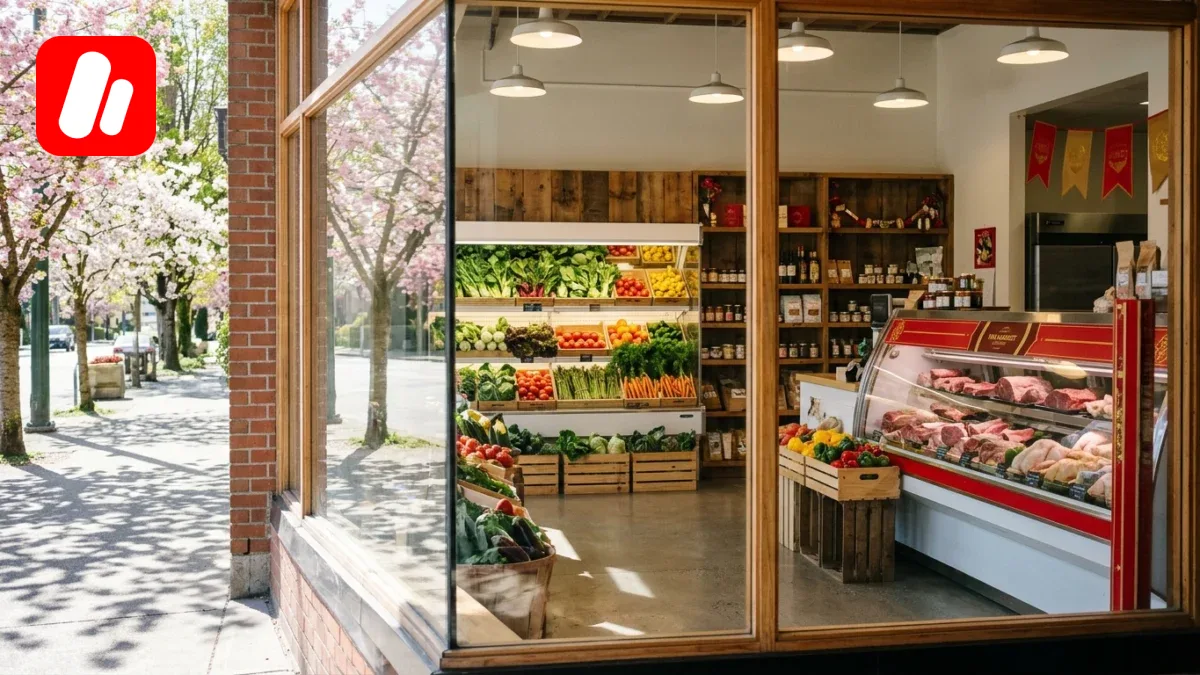
Finding halal food in China for home cooking begins at the local wet market, known as a Caimarket. You can readily find fresh beef and mutton sold by Muslim vendors, especially near local mosques or within Hui residential quarters.
Where to source ingredients:
While preparing your own meals gives you complete control, you will inevitably dine out with classmates at general eateries. Eating safely outside verified Muslim restaurants requires extra vigilance because standard Chinese culinary techniques often rely on ingredients that compromise halal compliance.
Even vegetarian-sounding dishes or chicken plates can contain elements forbidden in a Muslim diet. Non-halal kitchens frequently cross-contaminate cookware or use animal-derived bases for flavor enhancement.
Common hidden ingredients to watch out for:
A frequent misconception among international arrivals involves global fast-food brands. Mainstream international fast-food chains like KFC, McDonald’s, and Burger King in mainland China do not hold halal certification, and their poultry is not slaughtered according to Islamic law.
When finding halal food in China, sticking strictly to designated Qingzhen establishments remains the only reliable way to guarantee your meals stay completely permissible.
Staying mindful of ingredients becomes second nature after your first few weeks on campus. Securing nourishing Halal Food in China is entirely manageable once you know which signs to look for and where to eat, allowing you to focus on your academic goals without dietary stress.
Everyday Muslim student life in china thrives on routine. Between on-campus dining halls, neighborhood noodle shops, and phone apps, you will always have wholesome meals within reach throughout your degree.
Moving across the world is a major step, but dietary needs should never hold you back. If you want clear guidance on choosing universities with established support services, our team at Great Wall Education is always ready to help you plan your journey with confidence.
Yes, finding Halal Food in China is straightforward, especially on university campuses. China is home to over 20 million Muslims, primarily Hui and Uyghur communities. Almost every major university operates dedicated halal canteens serving certified meals, while local neighborhoods feature numerous halal restaurants identified by the Chinese term Qingzhen.
Look for the Mandarin word Qingzhen (清真) on storefront signs, menus, and official green halal certification plaques. Muslim-run establishments, such as Lanzhou beef noodle shops, display these symbols prominently. In non-halal eateries, strictly avoid dishes cooked with pork lard (Zhurouyou) or Chinese cooking wine (Liaojiu/Huangjiu).
A typical university halal canteen meal costs between 10 RMB and 25 RMB (approximately 14 MAD to 35 MAD). These canteens offer budget-friendly, nutritious dishes prepared according to Islamic dietary laws. During Ramadan, standard university halal canteens also adjust their operating hours to provide early morning suhoor and evening iftar meal schedules.
No, mainstream international fast-food chains including KFC, McDonald’s, and Burger King in mainland China do not hold halal certification. Their meat supplies and kitchen preparation stations are not halal. Muslim students should rely on certified Qingzhen eateries, campus halal canteens, or cook their own meals using raw ingredients bought from local halal butchers.
Dianping and Amap (Gaode Maps) are the most reliable apps for locating halal food across Chinese cities. Search using the term Qingzhen to find nearby certified restaurants, customer reviews, and exact addresses. Food delivery platforms like Meituan also feature dedicated filters for halal-certified vendors.
Finding halal food in China is straightforward for Muslim students. Discover campus halal

Comparing Spring vs Autumn Intake China for 2027? Discover portal opening dates, scholarship
Discover top scholarships without application fee in China for 2026. Review verified zero-fee