
CSCA
CSCA test center locations: In-Person & Remote Hubs
Check official CSCA test center locations, in-person testing hubs, and remote online exam

Scholarship application and exam preparation support.
Practice tests, strategies, and feedback to help you achieve your target score.
Targeted training and past paper practice to boost your exam performance.
Mock interviews and coaching to help you succeed in admissions and visa interviews.


Arriving at your university residence in China after a long journey only to find you cannot purchase a meal or unlock your corridor can catch you off guard. Mastering Chinese University Campus Cards—known locally as Yikatong—solves this problem immediately, as these all-in-one credentials serve simultaneously as your photo student ID, room keycard, and pre-funded campus debit wallet.
Every newly arrived scholar relies on an international student campus card from morning until night. Without it, simple tasks like dining in student canteens, entering faculty buildings, borrowing reference books, or running dormitory laundry quickly turn into frustrating logistical hurdles.
Getting your campus card setup China process completed during registration week clears away initial daily friction. Whether you are finalizing plans for your Best Chinese University and Scholarship placement or preparing your arrival documents, this practical guide walks you through activating your physical and virtual accounts, managing daily balances, and unlocking every essential feature on campus.
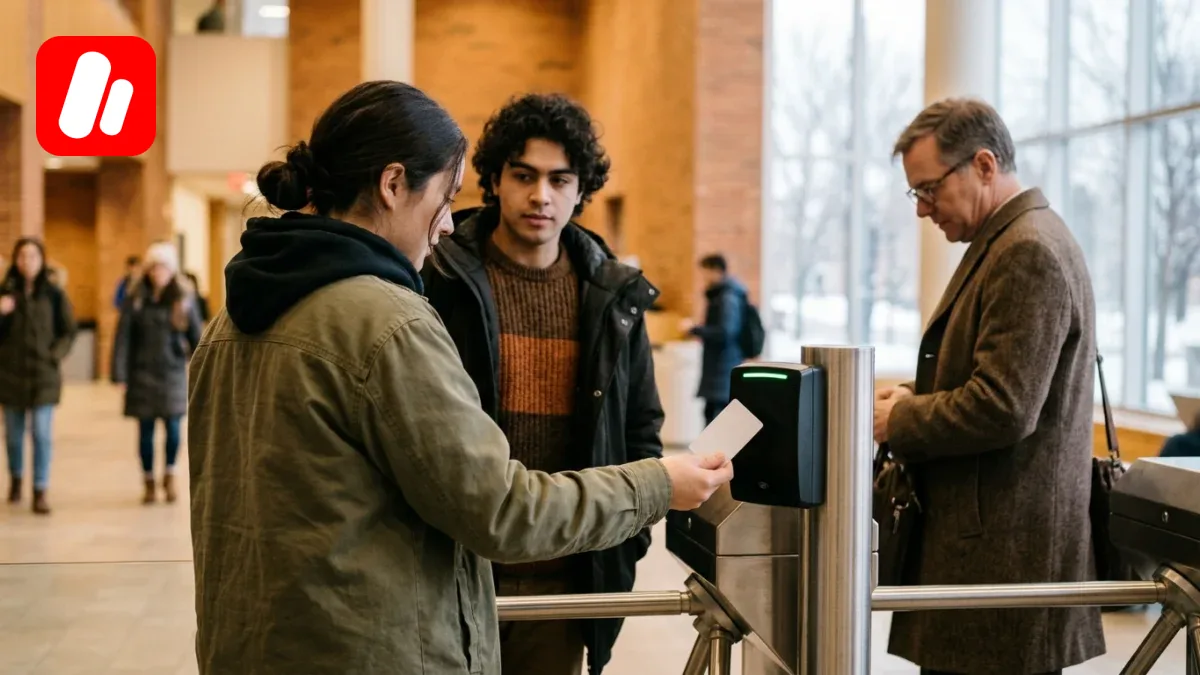
Once you understand that your card operates as both an identity credential and an internal debit system, navigating daily routines across campus becomes straightforward. Chinese University Campus Cards handle essential clearance and everyday transactions across multiple institutional zones.
| Function | Physical Card | Virtual E-Card | Verification Type |
|---|---|---|---|
| Dormitory Turnstiles | Yes | Supported (QR/NFC) | RFID tap or dynamic barcode scan |
| Canteen Dining | Yes | Supported | Contactless terminal debit |
| Library Borrowing | Yes | Supported | Barcode scan with student number validation |
| Campus Supermarkets | Yes | Supported | POS reader contactless charge |
Everyday student card uses in China center on secure building access and designated merchant spending across grounds:
Primary spending and access privileges:
As outlined in the Peking University campus life and services guidelines, keeping your credential active ensures uninterrupted clearance past automated security barriers. Just like passing your China university entrance tests before enrollment, mastering your international student campus card functionalities early establishes smooth, barrier-free living from day one.
Getting your credentials running smoothly begins the moment you arrive on campus for orientation.
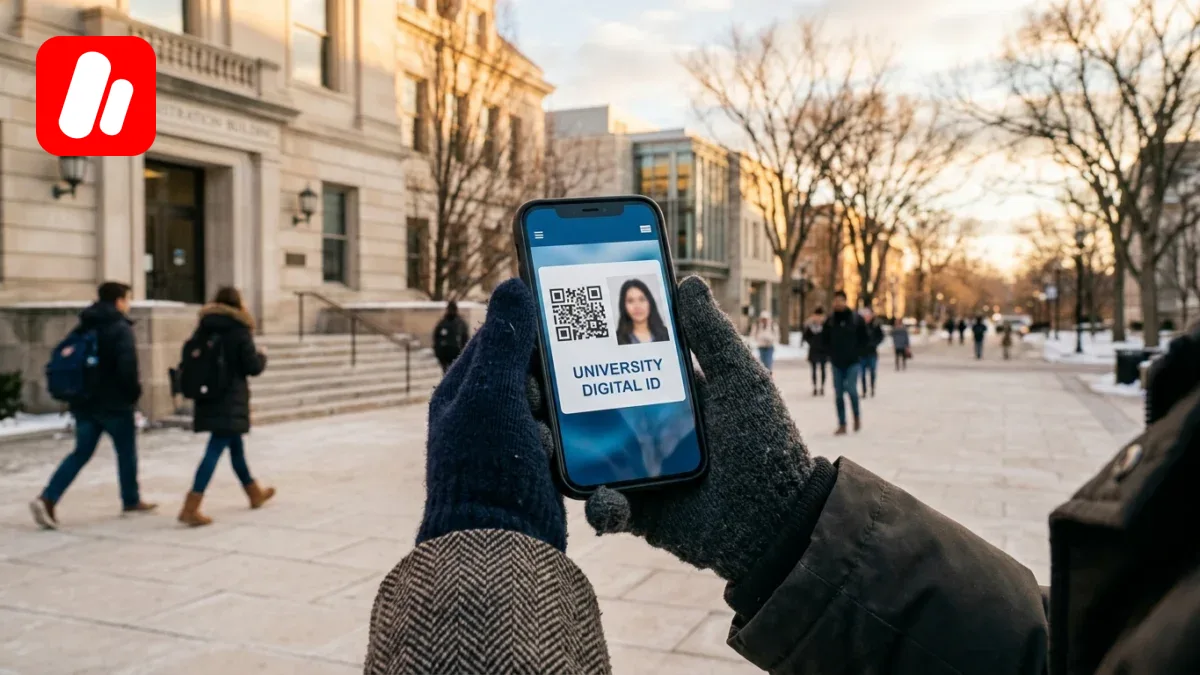
During orientation week, you will receive your physical card directly from the international student office. As outlined in the Tsinghua University International Student Services registration handbook, you must present your original passport and official admission notice to collect it. This plastic card works immediately on dormitory turnstiles, but activating full spending features requires completing your initial campus card setup China profile.
Most institutions pair your physical card with a digital QR code inside WeChat or Alipay mini-programs. According to the Zhejiang University International College Guidelines, you can search your university’s official card portal within either app, enter your student identification number, and link your account. Once verified, this virtual international student campus card generates dynamic barcodes for quick dining and library access directly from your phone.
Security PINs and spending thresholds:
You can adjust these payment limits anytime through the university mini-program settings to fit your daily budget while exploring your new life to study in China.
💡 Tip from the Great Wall Education team: If your passport contains letters, universities usually replace letters with zeros or drop them entirely to build your 6-digit default PIN, so test those combinations first at the service desk.
Once your account is active, keeping funds loaded ensures your card works reliably at access gates, library desks, and dining halls. Knowing how to top up China campus card balances smoothly makes everyday campus life much easier.
Most students prefer reloading funds directly on their smartphones through university mini-programs or third-party digital wallets. This method updates your balance within minutes.
Standard mobile top-up workflow:
You can also authorize automatic bank transfers once your local account is open. According to the Bank of China Guide for International Students, linking a domestic debit card directly to campus services allows your card to replenish itself automatically whenever funds drop below a designated threshold.
If you have not yet opened a local bank account during your first week, you can manage your international student campus card balance offline. Universities place self-service terminals (Zizhuji) in academic lobbies, central dining halls, and student service centers.
Using a self-service machine (Zizhuji):
Card account balances can be topped up in cash or via mobile payment through on-campus self-service terminals (Zizhuji). When Moroccan students prepare to apply to Chinese universities from Morocco, our Great Wall Education advisors always recommend carrying a small amount of cash in RMB to fund these initial kiosk recharges before domestic bank cards are ready.
Canteen dining and residential utility access represent the two most frequent everyday student card uses in China. Understanding how card sensors process your payments ensures you avoid unnecessary service fees and disruptions to basic dorm amenities.
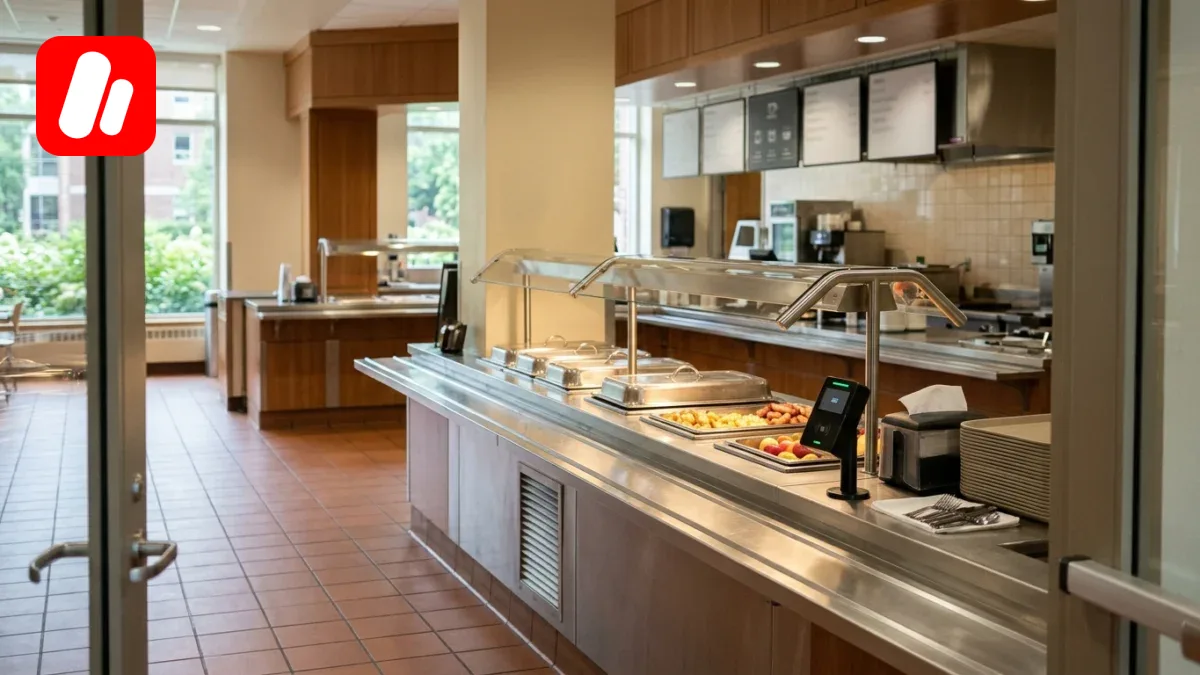
When you order meals in university dining halls, point-of-sale terminals deduct the amount instantly as you tap your physical card or scan your digital code. You will notice staff entering the price before pointing to the reader pad.
Canteen payment rules:
Chinese University Campus Cards feature a dedicated sub-wallet structure specifically for hot water dispensers and shower meters in student dorms. Money held in your main dining wallet cannot run your shower until transferred to this specific utility balance at a kiosk or within the campus app.
Shower meter sensor patterns:
A misplaced card interrupts your daily routine fast, leaving you unable to enter your dorm or buy food. If your physical card disappears or stops responding at card readers, steer clear of these critical mistakes:
Mastering Chinese University Campus Cards early saves you time, unneeded surcharges, and registration stress during your first weeks abroad. Once your balance is funded and your transaction PIN is memorized, your daily campus routine runs smoothly from morning lectures to evening meals.
Treat your account with the same care as your main bank card. Keeping an active balance ready and knowing your digital portal credentials ensures uninterrupted access to your dormitory, libraries, and campus services throughout your degree.
Settling into university life in China comes with exciting adjustments. Whenever you need guidance on arrival logistics, student registration, or campus onboarding, university help desks and the Great Wall Education team are always here to support your transition.
You receive your physical card during international student registration by presenting your passport and official admission notice. The international student office or campus card service center issues it during orientation week, and staff will help you activate your profile on the university mobile app.
Default initial card PIN codes are generally configured as the last 6 digits of your passport number or simple sequences like 888888 or 000000. Single-purchase transactions between 30 RMB and 50 RMB work without verification, but reaching 50 RMB to 100 RMB in cumulative daily spending requires entering this 6-digit PIN.
You can add money online by linking your student ID to Alipay or WeChat Pay through your university portal. For offline reloads, use on-campus self-service terminals called Zizhuji, which accept cash or mobile payments, or visit the campus card service counter in person.
Yes, but it costs more. External payment methods like direct commercial WeChat Pay often trigger a 15% to 20% campus service surcharge. Using your registered international student campus card guarantees subsidized student pricing across all university dining halls and campus grocery outlets.
Freeze the card immediately through your university portal or WeChat mini-program, which blocks electronic readers instantly. Then visit the campus card service office with your passport to print a replacement. Replacing lost or damaged physical campus cards typically costs 15 RMB to 30 RMB.
Check official CSCA test center locations, in-person testing hubs, and remote online exam

Discover the cheapest student cities in China for 2027. Compare low cost Chinese

Finding halal food in China is straightforward for Muslim students. Discover campus halal