
Living in China
Opening a Business in China? (2026 Legal & Practical Guide for Students)
Introduction Opening a Business in China is a high-intent query for students

Scholarship application and exam preparation support.
Practice tests, strategies, and feedback to help you achieve your target score.
Targeted training and past paper practice to boost your exam performance.
Mock interviews and coaching to help you succeed in admissions and visa interviews.
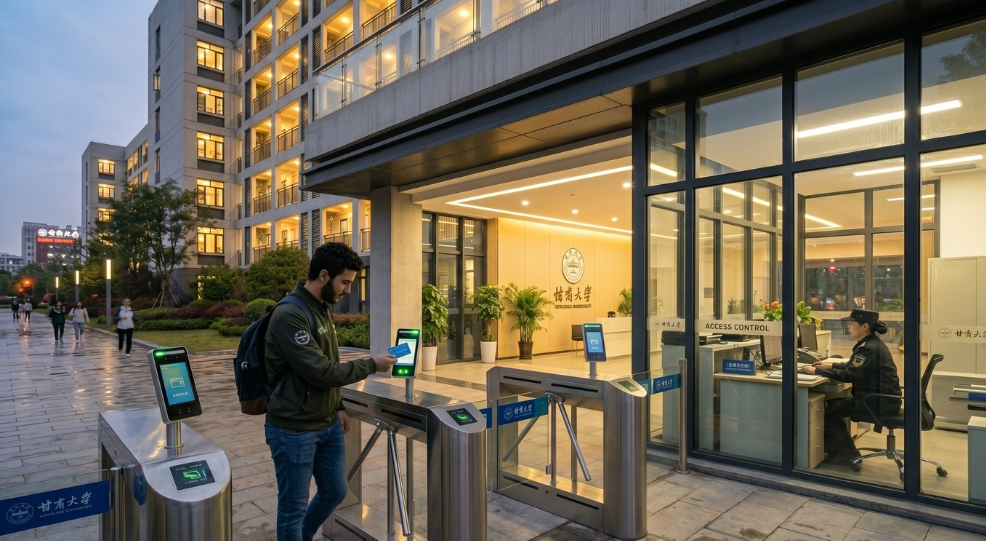

The short answer is yes ; in most cases, Chinese university dormitories are considered safe, structured, and highly supervised environments.
Many universities in China operate almost like small cities, with:
For international students arriving in a completely new country, this level of organization often creates a strong feeling of safety and stability.
However, dorm life in China also comes with realities many students are not prepared for:
This guide explores the real experience of international student housing in China, including:
If you are still researching universities, scholarships, and student life, read our complete guide: Study in China for Moroccans: Everything You Need to Know 2026
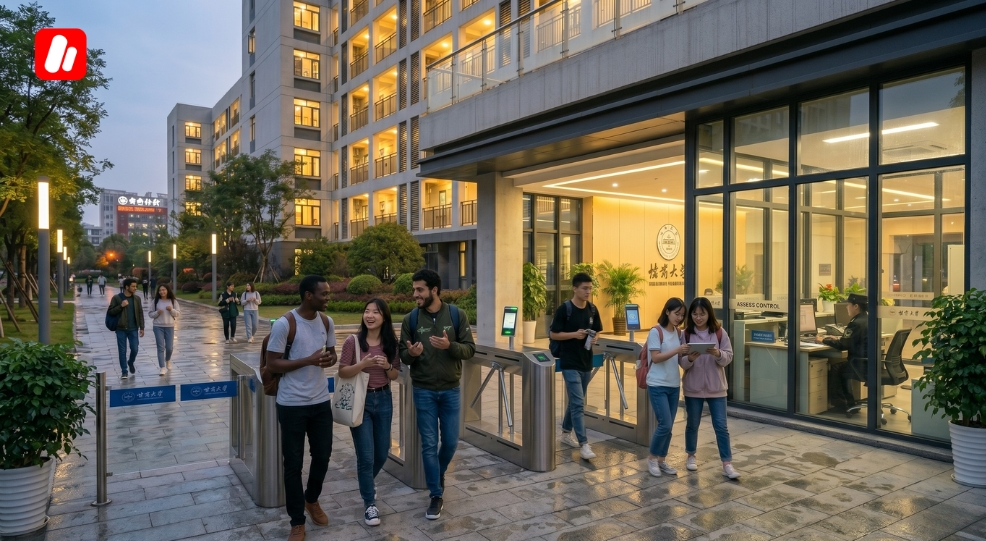
One reason many students feel comfortable in Chinese university housing is the strong campus infrastructure.
Official dormitory policies from multiple Chinese universities mention:
Unlike private apartments, most student dormitories in China are directly connected to university campuses, which means:
For first-year students especially, this often makes adaptation easier.
Many students also mention that Chinese campuses remain active late into the evening, creating a safer atmosphere for walking back from:
Most Chinese dormitories restrict access to officially registered students.
Depending on the university, dormitory buildings may use:
Several university accommodation regulations explicitly state that unauthorized visitors cannot freely enter dorm buildings.
This level of control helps universities maintain safer residential environments for both local and international students.
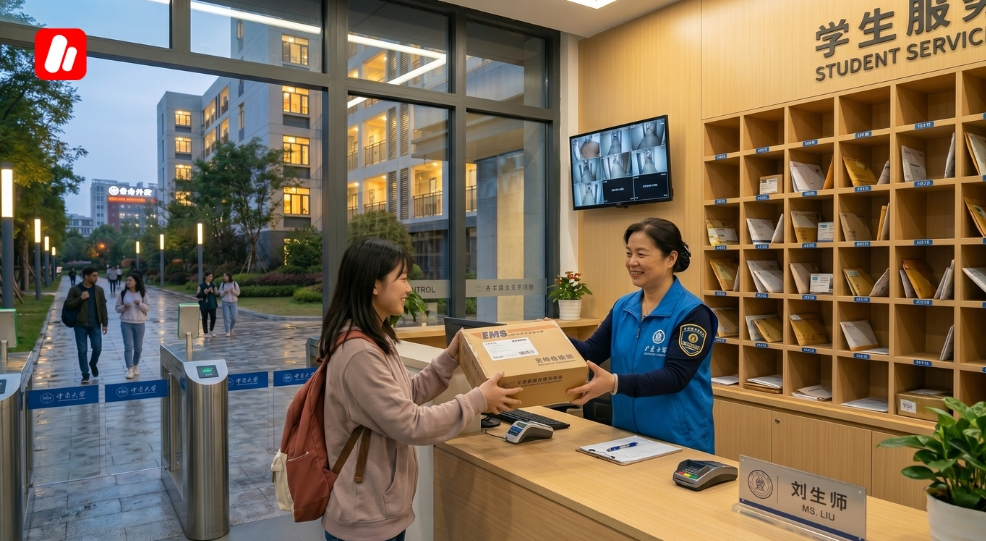
A major difference between Chinese dorm life and student housing in some Western countries is the presence of dormitory supervisors.
These residential staff members often help manage:
Students sometimes refer to these supervisors as:
Some students appreciate the structure and support.
Others may initially feel the supervision is stricter than expected.
But overall, supervised dormitory systems are one reason many international students consider Chinese campus life relatively safe.
Security cameras are common across many university campuses in China.
Depending on the university, surveillance systems may exist in:
For many students, especially those living abroad for the first time, this contributes to a stronger feeling of security inside university accommodation.
An important reality students should understand before moving into Chinese university housing is this:
➡️ Dormitories in China are usually more regulated than student housing in many other countries.
Common dormitory regulations include:
| Rule | Common in Chinese Dorms |
| Visitor registration | Very common |
| Overnight guest restrictions | Very common |
| Gender-separated dormitories | Common |
| Quiet hours | Common |
| Curfew policies | Sometimes |
| Room inspections | Occasionally |
However, enforcement varies significantly between universities.
Some international student dormitories are modern and flexible. Others maintain stricter residential policies, especially for undergraduate students. This is why researching your university’s dormitory conditions before applying is extremely important.
If you want a complete breakdown of room types, prices, and application procedures, read: Student Dorms in China (2026 Guide): Costs, Conditions & How to Apply.
Many international students report feeling safer on Chinese campuses than they originally imagined.
Students often mention:
For students living abroad for the first time, campus dormitories can reduce many of the stresses associated with adapting to a new country.
Not every student adapts immediately to Chinese dormitory culture.
Some students struggle with:
Students coming from highly independent housing systems may initially find Chinese university accommodation more restrictive.
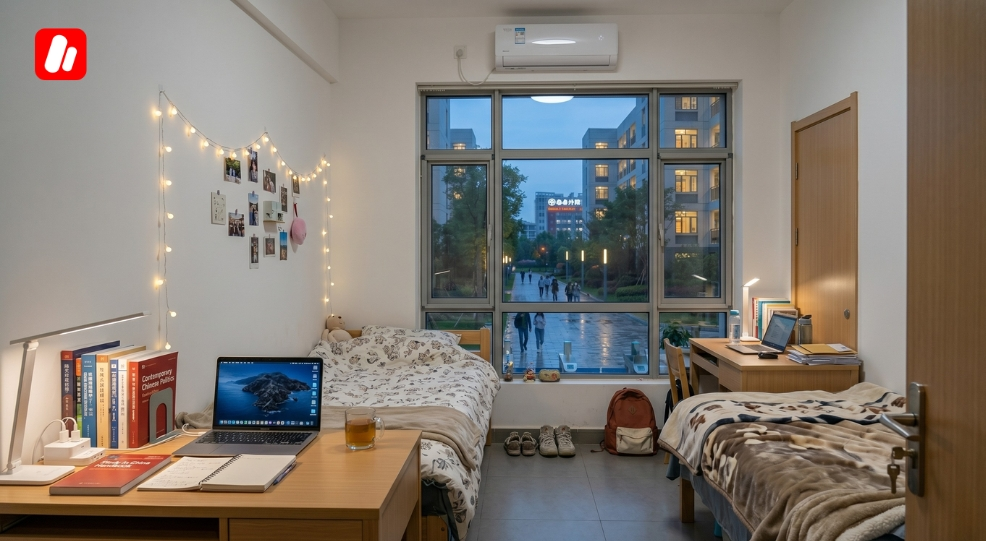
But many later acknowledge that these dormitory rules contribute to:
Beyond safety, dorm life in China also becomes a major social and cultural experience.
Students often build friendships through:
If you want a realistic look at everyday student accommodation and campus life, read: Chinese Dorm Life: A Day in the Life of a Moroccan Student in China.
That experience-based guide shows what daily life actually feels like for international students living in Chinese university dormitories.
For many first-year international students:
➡️ Usually yes.
University dormitories often provide:
Private apartments offer:
But they also involve:
Because of this, many students begin with university accommodation before moving off-campus later.

University marketing photos can sometimes create unrealistic expectations.
In reality, dormitory quality varies significantly depending on:
Some student dormitories in China are modern and comfortable, offering:
Others may feel more basic, with:
This is especially true in lower-cost university accommodation.
That’s why students should always:
Even in relatively secure environments, students should still follow basic safety practices.
These simple habits can make student life in China significantly smoother and less stressful.
Planning to study in China can feel overwhelming:
That’s where Great Wall Education helps.
Our team supports international students through every step of the process:
Whether you want affordable universities, English-taught programs, or better scholarship opportunities, we help you build the right strategy for your academic future in China.
Spots and scholarships for international students are limited every year.
➡️ Apply now with Great Wall Education and start your journey to China with expert guidance and faster admissions support.
For most international students, Chinese university dormitories provide a safe, organized, and practical living environment.
The combination of:
helps many students feel secure during their studies abroad.
However, dorm life in China is not identical everywhere.
Rules, comfort levels, and student experiences can vary greatly between universities.
The best strategy is to research carefully, compare student accommodation options, and understand your university’s dormitory regulations before arriving in China.
Yes. Most Chinese university dormitories are considered safe because they use controlled access systems, campus security, dorm supervisors, and visitor regulations.
Many universities in China have security guards, gated campuses, CCTV monitoring, and supervised dormitory buildings to improve student safety.
Some Chinese universities enforce dormitory curfews, especially for undergraduate students. However, rules vary depending on the university and dormitory type.
Usually yes, but most universities require visitor registration and restrict overnight guests inside student dormitories.
In many universities, international student dormitories offer better facilities such as private bathrooms, fewer roommates, and modern amenities. However, conditions vary by university.
University dormitories are usually cheaper and more convenient than renting a private apartment, especially for first-year international students.
Dorm life in China is structured, social, and campus-centered. Students often share rooms, follow dormitory rules, and spend most of their time inside the university campus.
Student dorms in China typically cost between $150 and $400 per month depending on the city, university, and room type.
For most new students, living on campus is easier and safer because universities provide support, security, and easier access to classes and services.
You can apply through Great Wall Education for university admissions, scholarships, visa support, and student accommodation assistance in China.
Chinese Government & Study Platforms
University Dorm & International Student Housing Regulations
These are credible sources showing real dorm rules, safety policies, and campus systems:
Introduction Opening a Business in China is a high-intent query for students

Introduction Understanding how to send money to China as an international student is

Introduction Why Chinese universities reject documents is one of the biggest concerns for