Study Chinese Language
1-Year Chinese Language Programs: Fees & Intake
Explore 1-Year Chinese Language Programs in China. Check 2027 tuition fees, Spring and

Scholarship application and exam preparation support.
Practice tests, strategies, and feedback to help you achieve your target score.
Targeted training and past paper practice to boost your exam performance.
Mock interviews and coaching to help you succeed in admissions and visa interviews.

Picture stepping off the plane, arriving on campus, and discovering that within twelve months, everyday street signs and fast-paced university lectures will finally make sense. Enrolling in 1-Year Chinese Language Programs offers the most direct immersion pathway to turn that goal into reality, whether you want to qualify for an undergraduate degree or unlock international career opportunities.
Planning your journey means getting the operational details straight before you apply. You need clear figures on Chinese language program fees, precise dates for each upcoming intake, and a transparent roadmap for your student visa requirements.
To help you target the right study Chinese in China intake and move forward with confidence, our team at Great Wall Education provides end-to-end guidance through our admissions and visa support services, ensuring you secure your university placement without unnecessary delays or paperwork surprises.
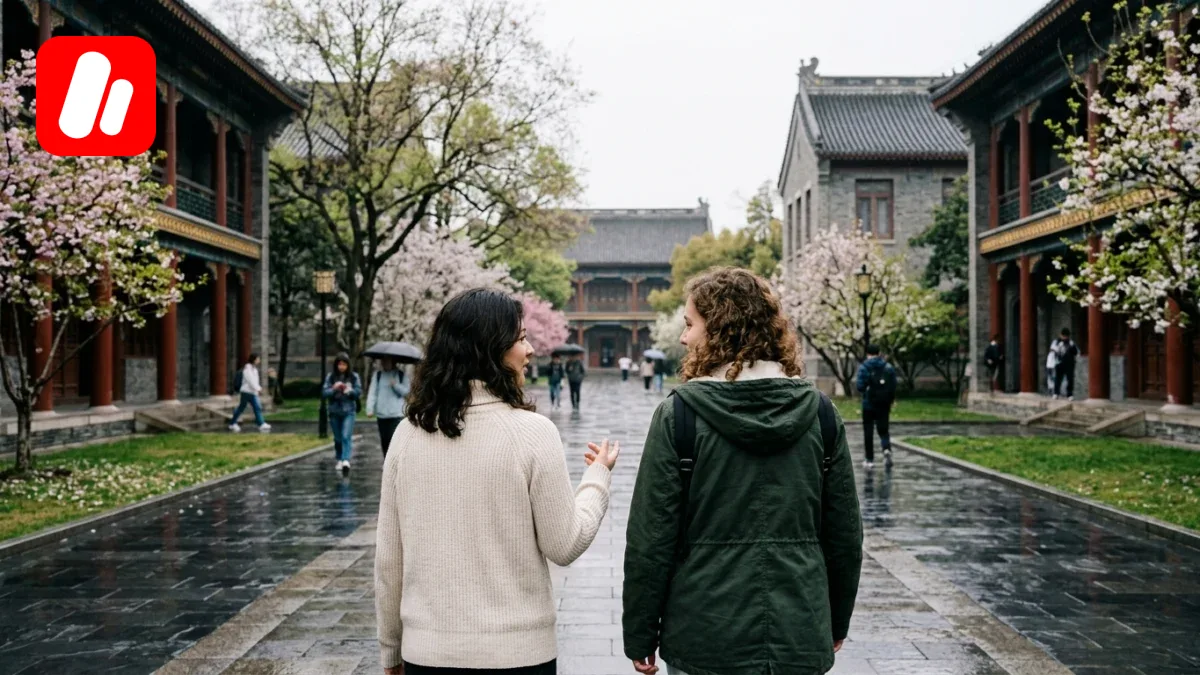
Planning your academic budget starts with knowing exactly what universities charge, especially when assessing one year Chinese course tuition. Across China, standard tuition for a full academic year ranges from 10,000 RMB to 26,000 RMB, which translates to 5,000 RMB to 13,000 RMB per semester. Your total bill depends largely on the institution and the city you select.
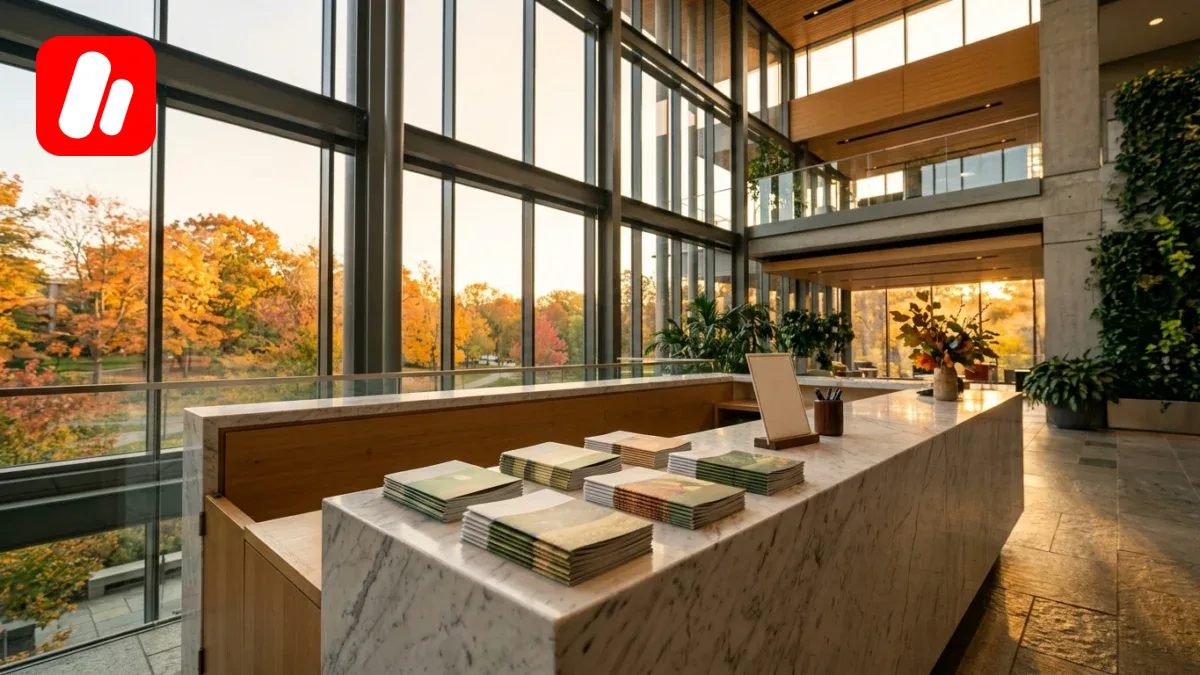
Top-tier metropolitan hubs carry higher instructional costs. Flagship language universities, such as Beijing Language and Culture University (BLCU), typically position their annual tuition between 20,000 RMB and 26,000 RMB. In contrast, prominent universities in emerging educational hubs like Chengdu, Wuhan, and Xi’an deliver equivalent academic quality with a one year Chinese course tuition that ranges from 10,000 RMB to 16,000 RMB.
Beyond base tuition, official Chinese language program fees require budgeting for mandatory administrative expenses:
Direct institutional fees:
Once you account for tuition, the next question is what your daily study schedule actually looks like. Full-time 1-Year Chinese Language Programs operate on an intensive academic routine designed to take you from basic greetings to conversational fluency within two terms.
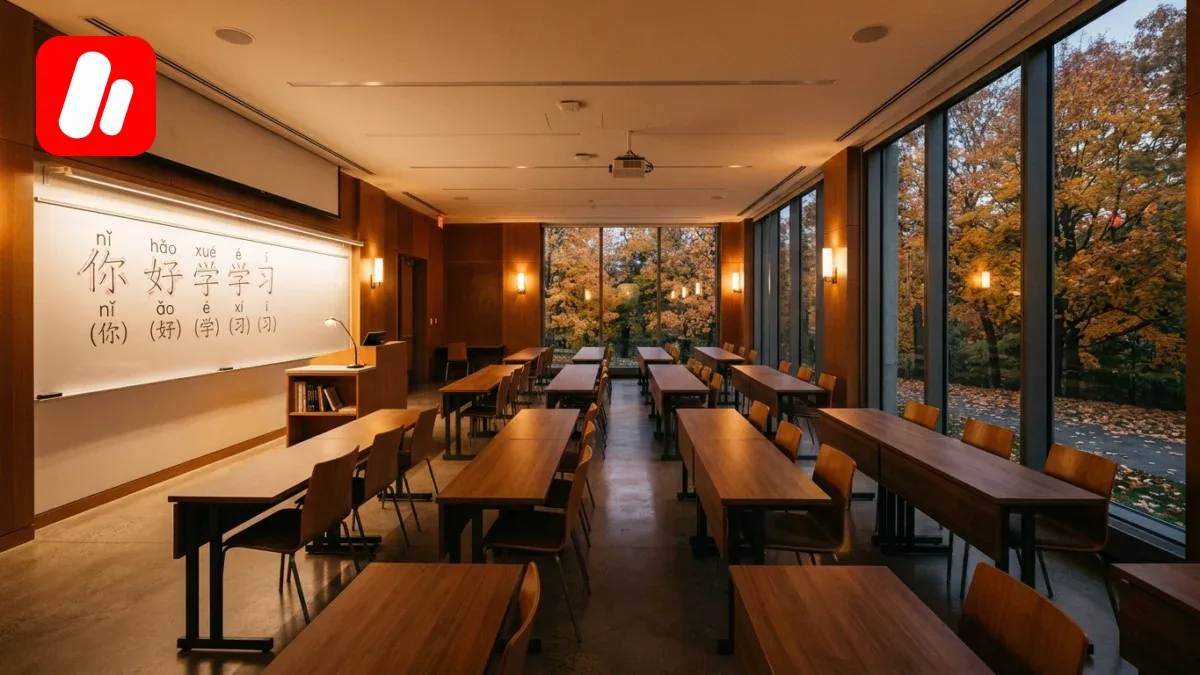
Once you complete your Chinese language admission China process and enroll, you attend class 20 hours per week, typically structured as four 50-minute teaching hours each morning, Monday through Friday. Your afternoons remain free for homework, character memorization, and language exchange with local peers.
Core weekly curriculum modules:
When enrolling in 1-Year Chinese Language Programs, you do not need to worry about landing in a class that is too fast or too slow. During orientation week, your university administers a written and oral placement test to sort learners into distinct levels: absolute beginner, elementary, intermediate, or advanced tracks.
Beyond calculating overall Chinese language program fees, knowing what to expect academically matters just as much. For a complete beginner, the two-semester timeline follows a rigorous progression benchmark: during the first term, you build your foundation through Pinyin pronunciation and roughly 300 to 600 essential characters, reaching HSK 2 or early HSK 3 proficiency.
By the end of your second term—accumulating roughly 800 to 1,000 class hours—the expected language milestone is HSK 4. Reaching this standard means mastering around 1,200 words, allowing you to discuss a wide range of everyday topics fluently and meeting the baseline requirement for many English-taught or bilingual bachelor’s degrees.
Once you map out your academic goals, timing your application becomes your top priority. Universities organize 1-Year Chinese Language Programs around two main entry periods each year, and missing an application cutoff means waiting another six months to start your studies.
| Intake Term | Application Window | Classes Start | Recommended For | Visa Issued |
|---|---|---|---|---|
| Autumn Intake | January to June | September | Recent high school graduates and degree pathway applicants | X1 Visa (long-term) |
| Spring Intake | September to December or January | March | Gap-year students and mid-career professionals | X1 Visa (long-term) |
Note: These dates are indicative general windows. Exact cutoffs vary by campus and must be confirmed directly with your chosen university.
Choosing the right study Chinese in China intake depends on your personal schedule and broader academic trajectory.
The core differences between both application routes involve several practical factors:
If you plan to begin in the coming year, keep track of China admission deadlines 2027 to gather your high school or university transcripts before portals close.
💡 Tip from the Great Wall Education team: Submit your application at least two months before the portal closes. Universities review non-degree applications on a rolling basis, and dormitory spots often fill up well before the final academic deadline.
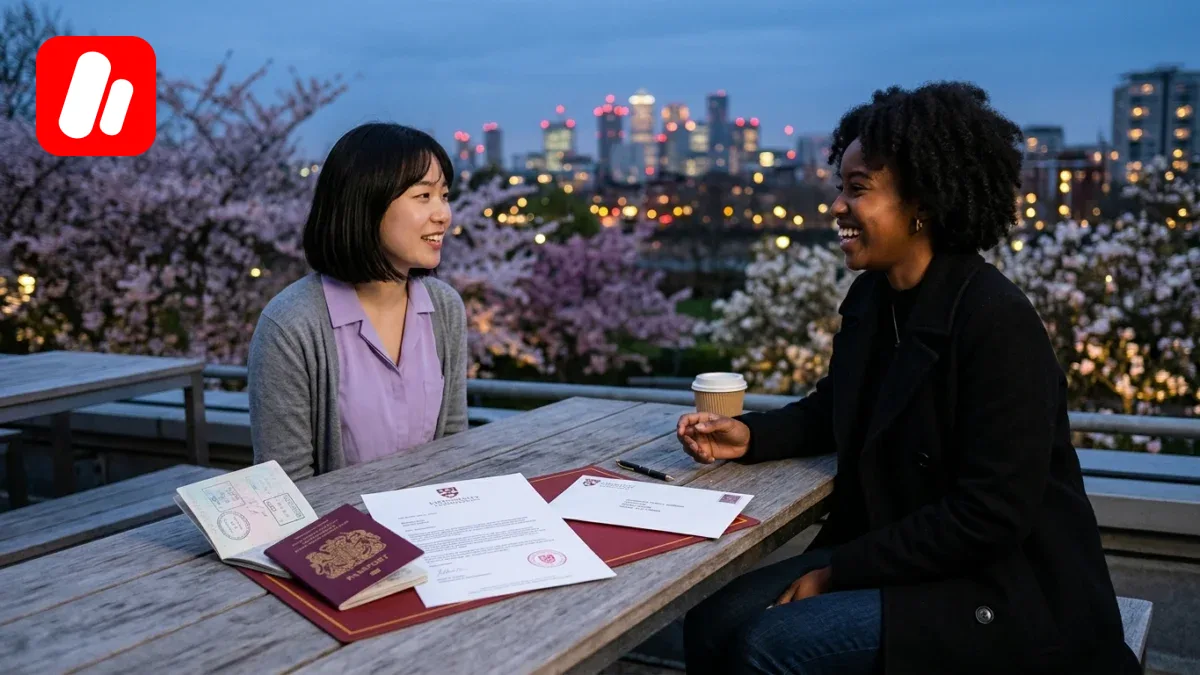
Applying for non-degree Mandarin training involves fewer academic hurdles than applying for full degree programs, yet navigating paperwork requires precision. Securing your Chinese language admission China requires meeting basic baseline criteria before receiving your official enrollment paperwork.
Standard entry requirements:
Because full academic year language tracks run for two semesters, you must enter the country on an X1 student visa rather than an X2 short-term visa. As regulated by the Ministry of Education of the People’s Republic of China, universities issue an official Admission Notice alongside Form JW202 (or digital Form DQ) once your application passes faculty review. If you are exploring funding options alongside private pathways, verify the CSC scholarship 2027 application guidelines and the corresponding Chinese government scholarship 2027 requirements to confirm whether your visa documentation is fully sponsored.
The X1 visa grants single entry and carries an essential post-arrival rule: you must convert it into a temporary residence permit within 30 days of crossing border control. Missing this window leads to strict administrative fines. Our team at Great Wall Education helps candidates verify documents correctly before consular appointments and assists with on-campus police registration upon arrival to keep your transition seamless.
Once your visa paperwork is underway, your focus shifts naturally to budgeting for your daily life on campus. Housing choices and lifestyle habits determine the bulk of your personal budget while attending 1-Year Chinese Language Programs.
Most universities offer international student dormitories, though you can also rent off campus once registered.
Campus dormitories vs. private rentals:
Beyond accommodation, routine living costs stay remarkably affordable across China. Campus cafeterias serve nutritious meals for 15 RMB to 25 RMB each, while public transport passes cost negligible amounts.
Estimated monthly lifestyle expenses:
Plan for total monthly living expenses between 2,000 RMB and 4,000 RMB. Students in provincial hubs like Wuhan or Chengdu generally spend closer to the lower end, whereas life in Beijing or Shanghai trends toward the higher limit.
Balancing accommodation and living costs alongside your academic routine provides a realistic roadmap for your time abroad. Enrolling in 1-Year Chinese Language Programs offers the most reliable immersion pathway to achieve fluency, bridge the gap into a degree program, or build distinctive qualifications for international trade careers.
Timing remains the decisive factor in securing your placement. Because university seats fill quickly and visa processing requires careful coordination, you will want to begin your application preparations four to six months before your chosen intake window opens.
Navigating university applications, document authentication, and student visa formalities becomes much simpler with hands-on support. Reach out to Great Wall Education to review your academic background, select the university that fits your goals, and step into your study experience in China with total confidence.
Full academic year tuition for 1-Year Chinese Language Programs typically ranges from 10,000 RMB to 26,000 RMB, which equals 5,000 RMB to 13,000 RMB per semester. Additional costs include university dormitories at 500 RMB to 2,000 RMB per month and daily living expenses between 2,000 RMB and 4,000 RMB each month.
You can apply twice a year. Autumn intake applications run from January to June for a September start date. Spring intake applications open from September to December or January for classes starting in March. Submitting your file early gives you ample time to secure your accommodation and official admission notices.
You can reach HSK 4 within two semesters if you attend classes consistently. With an intensive schedule of 20 hours per week—usually 4 hours every weekday morning—you will complete between 800 and 1,000 class hours, taking you from complete beginner to intermediate academic fluency.
You need an X1 student visa because your program exceeds the 180-day study limit. After you land in China with your official admission papers and JW202 form, you must convert this entry visa into a formal study residence permit within 30 days of arrival.
Basic admission requires a high school diploma or higher, a valid passport, a clean criminal record check, and an official medical examination form. Most universities set the minimum age at 18 and do not require prior Mandarin knowledge, making entry open to complete beginners.
Explore 1-Year Chinese Language Programs in China. Check 2027 tuition fees, Spring and
Explore Zhejiang University Scholarships for 2026. Discover CSC, provincial, and university funding, eligibility
Find the best Chinese university and scholarship for 2027 with our expert breakdown