
Living in China
Opening a Business in China? (2026 Legal & Practical Guide for Students)
Introduction Opening a Business in China is a high-intent query for students

Scholarship application and exam preparation support.
Practice tests, strategies, and feedback to help you achieve your target score.
Targeted training and past paper practice to boost your exam performance.
Mock interviews and coaching to help you succeed in admissions and visa interviews.


Why Chinese universities reject documents is one of the biggest concerns for international students applying for admission and scholarships in China in 2026.
Many applicants with strong grades, good English scores, and solid academic backgrounds still face document rejection during the Chinese university application process. In most cases, the rejection is not caused by academic weakness, but by formatting errors, document inconsistency, missing authentication, weak study plans, or supervisor-related issues.
stIf you are planning to study in China, understanding the document verification process is essential before submitting your application. Students applying for scholarships in China especially face stricter document screening because scholarship committees and universities review every file carefully. Learning how admissions officers evaluate applications can significantly increase your acceptance chances and help you avoid common mistakes that lead to rejection.
Chinese universities and scholarship programs evaluate applications very carefully. Even small mistakes in uploaded files or supporting documents can lead to automatic rejection before your academic profile is fully reviewed.
This guide explains the real reasons why Chinese universities reject documents, how to avoid common mistakes, and how to improve your application successfully.
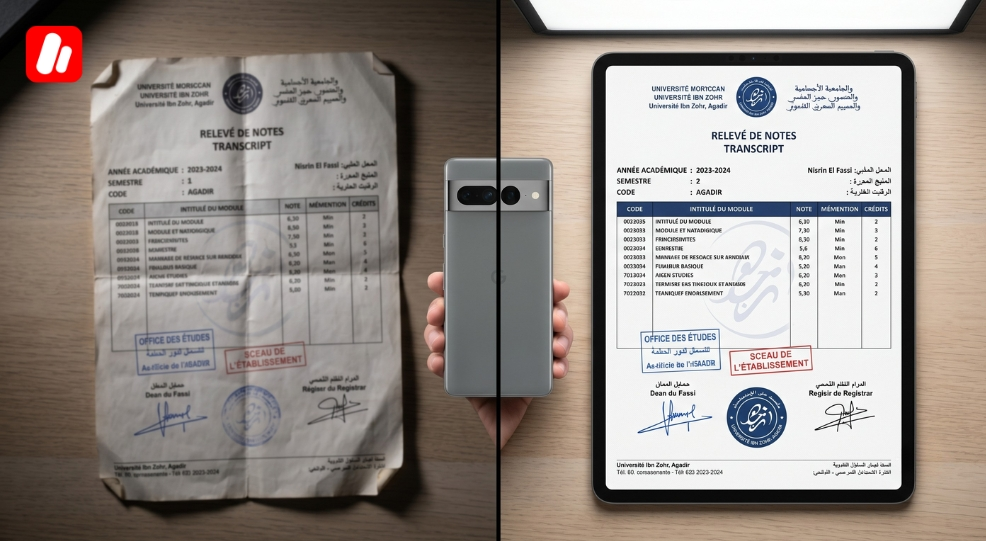
One of the most common reasons for document rejection is inconsistency between application files.
Examples include:
Chinese admissions offices verify consistency carefully. Even minor discrepancies may delay or reject the application.
A weak study plan is one of the biggest hidden rejection factors.
Chinese universities expect:
Generic study plans often lead to rejection even when grades are excellent.
Weak Example
I want to study in China because it has good universities.
Strong Example
I aim to research AI-driven logistics optimization in Chinese smart manufacturing systems to support industrial digital transformation.

Many students underestimate document presentation.
Common problems include:
Some universities automatically reject unreadable files during initial screening.
Several Chinese universities require:
Failure to provide authenticated documents can invalidate the application entirely.
This is especially important for:
Recommendation letters should be:
Weak recommendation letters usually:
Many applicants underestimate how influential these letters are.
To improve your chances, students should learn How to Get Recommendation Letters to Study in China ? (2026 Guide).

Chinese universities reject many qualified students because the program does not match their background.
Examples:
Program fit matters as much as grades.
For research-based degrees, especially master’s and PhD programs, supervisor support is often essential.
Without:
applications may be rejected before academic review.
Many universities prioritize students already accepted by faculty supervisors.

Ensure:
A strong study plan should:
Avoid generic templates copied from the internet.
Best practices:

Start:
as early as possible to avoid delays.
When emailing professors:
Depending on the university, you may:
Some universities are flexible, while others automatically close incomplete applications.
Yes. Many students succeed after improving their application package.
The most effective recovery strategy includes:

Students applying to Chinese universities often struggle with documentation requirements, scholarship procedures, supervisor communication, and application strategy. This is where Great Wall Education helps international students simplify the entire process.
Great Wall Education provides services including:
Many students face rejection not because they are unqualified, but because their applications contain technical mistakes that could have been avoided with expert review.
If you want to maximize your admission chances, avoid document rejection, and apply strategically to top Chinese universities, working with experienced China admission specialists can make a major difference.
Great Wall Education helps students build stronger applications that align with university expectations and scholarship requirements in 2026.
➤ APPLY NOW — Free Initial Consultation Available ➤
Chinese universities reject documents for many reasons beyond academic performance. In most cases, rejection is linked to technical errors, inconsistent information, weak supporting documents, missing authentication, or poor program alignment.
The good news is that most of these mistakes are avoidable with proper preparation, strong documentation, and a strategic application process. Students who carefully prepare their study plans, recommendation letters, and verified documents significantly improve their chances of admission and scholarships in China.
As competition for Chinese university admissions continues to grow in 2026, submitting a complete, professional, and well-structured application is more important than ever.
Chinese universities reject documents mainly because of inconsistent information, weak study plans, poor-quality scans, missing authentication, incomplete applications, or lack of supervisor approval.
Yes. Even highly qualified students can face rejection due to technical document issues, administrative mistakes, or poor academic and research alignment with the selected program.
The most commonly rejected documents include study plans, recommendation letters, untranslated diplomas, blurry scans, incomplete CSC scholarship forms, and improperly authenticated certificates.
Many Chinese universities require notarized and officially translated academic documents, especially for master’s degrees, PhD programs, and CSC scholarship applications.
Some universities allow students to correct and re-upload rejected documents, while others permanently close the application for that admission cycle.
You can avoid rejection by ensuring document consistency, using high-quality scans, preparing a personalized study plan, authenticating documents early, and applying to programs that match your academic background.
Introduction Opening a Business in China is a high-intent query for students

Introduction Understanding how to send money to China as an international student is
Introduction Why Chinese universities reject documents is one of the biggest concerns for