
Living in China
Opening a Business in China? (2026 Legal & Practical Guide for Students)
Introduction Opening a Business in China is a high-intent query for students

Scholarship application and exam preparation support.
Practice tests, strategies, and feedback to help you achieve your target score.
Targeted training and past paper practice to boost your exam performance.
Mock interviews and coaching to help you succeed in admissions and visa interviews.
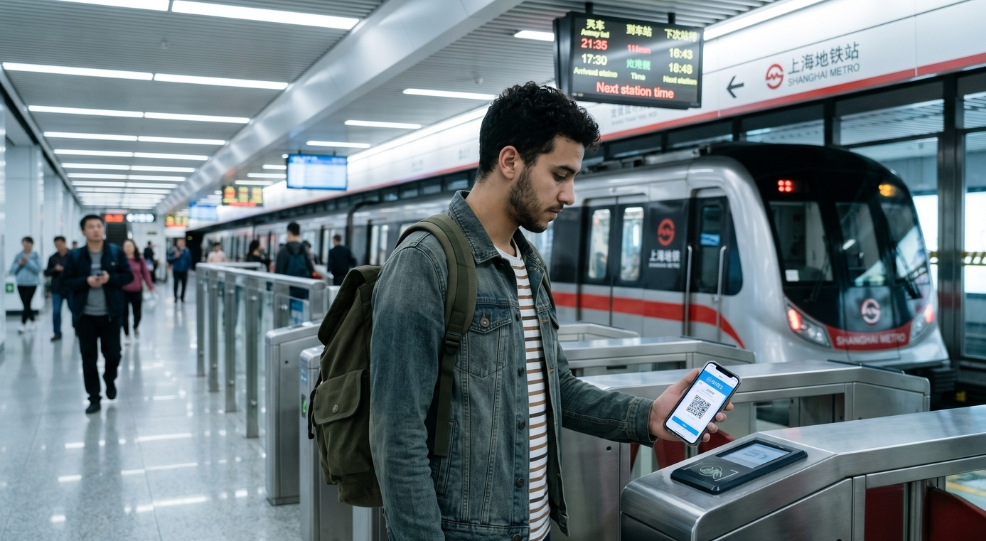

Transportation in China is one of the first practical challenges every international student faces upon arrival — and one of the most pleasant surprises. Whether you land in Beijing, Shanghai, Wuhan, or Chengdu, you will quickly discover that China operates one of the most developed, affordable, and digitally integrated public transport networks in the world. From ultra-modern metro systems and air-conditioned buses to app-based ride-hailing, shared e-bikes, and free university shuttle services, getting around in China as a student is both easy and budget-friendly.
This guide covers everything Moroccan students planning to study in China need to know: how each transport mode works, what it costs (in CNY and approximate MAD), which apps to download, whether student discount cards exist, and how transportation works inside university campuses.
Planning your move to China? Start with our full overview: Study in China for Moroccans: Everything You Need to Know 2026. And if funding your studies is a concern, explore our dedicated resource on China Scholarships 2026: Complete Guide to Study in China before reading on.

The table below summarises the most common transport options available to students in Chinese cities, with approximate prices in both Chinese Yuan (CNY) and Moroccan Dirhams (MAD, using a reference rate of approximately 1 CNY = 1.8 MAD).
| Mode of Transport | Price (CNY) | Approx. MAD | Notes |
| Metro (per trip) | CNY 2 – 10 | MAD 4 – 18 | Most efficient city travel |
| City Bus (per trip) | CNY 1 – 2 | MAD 2 – 4 | Cheapest option; cash or card |
| Taxi — base fare | CNY 8 – 13 | MAD 14 – 23 | First 3 km; metered after |
| DiDi Express (per km) | CNY 2 – 4 | MAD 4 – 7 | 10-20% cheaper than taxi |
| E-Bike share (per hour) | CNY 5 – 10 | MAD 9 – 18 | Meituan, DiDi Qingju, HelloBike |
| Shared bicycle (per ride) | CNY 1.5 – 2 | MAD 3 – 4 | 30-min sessions typical |
| Airport bus (Beijing) | CNY 20 – 55 | MAD 36 – 99 | 5 routes to city centre |
| Campus shuttle bus | FREE | FREE | Most universities in China |
China’s metro network is the backbone of urban mobility. As of 2025, more than 40 cities across mainland China operate metro systems, with Beijing and Shanghai each running extensive multi-line networks that cover virtually every corner of these cities.
Metro stations are clean, air-conditioned, bilingual (Chinese and English signage), and equipped with barriers that require a valid ticket or payment QR code. Trains run at intervals of 2–6 minutes during peak hours. You scan in at the entry gate and scan out at the exit gate, with the fare automatically calculated based on distance travelled.
Metro student discounts vary by city and are primarily designed for Chinese domestic students with registered local ID. However, purchasing a city transportation card (T-Union or local equivalent) gives all cardholders — including international students — a 10% discount on metro fares. Some cities, such as Taiyuan, offer 50% discounts for enrolled students with a valid student card.
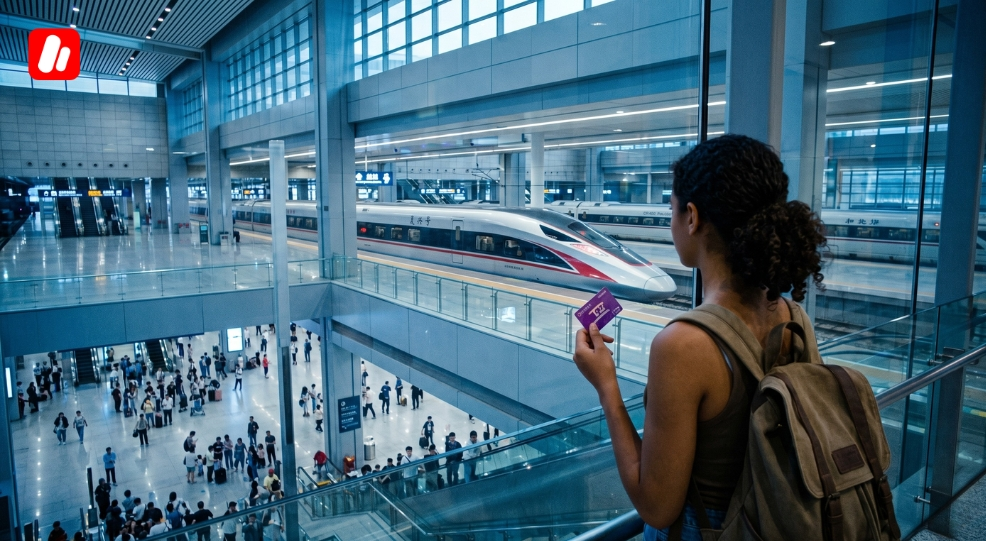
| “Once you load Alipay and link your card, taking the metro anywhere in China becomes faster and simpler than in most European capitals.” — International student experience, China Admissions |
Public city buses are the most affordable way to travel within Chinese cities. Bus routes are extensive, covering neighbourhoods the metro does not reach, including university districts, residential areas, and commercial zones.
Pay by scanning a WeChat Pay or Alipay QR code on the reader inside the bus, or use your city transportation card. Cash is accepted on most routes but having correct change is recommended. Note: bus stop information and route signs are primarily in Chinese characters, so using Baidu Maps or Gaode Maps on your phone to follow your route in real time is strongly recommended.
Using a city transportation card on buses delivers significant savings. In Xi’an, for example, cardholders enjoy a 50% discount on each bus trip. In Beijing, regular cardholders who spend over CNY 100/month receive 20–50% off additional fares. The national T-Union card, accepted in over 336 cities, delivers automatic discounts when tapped at bus readers.
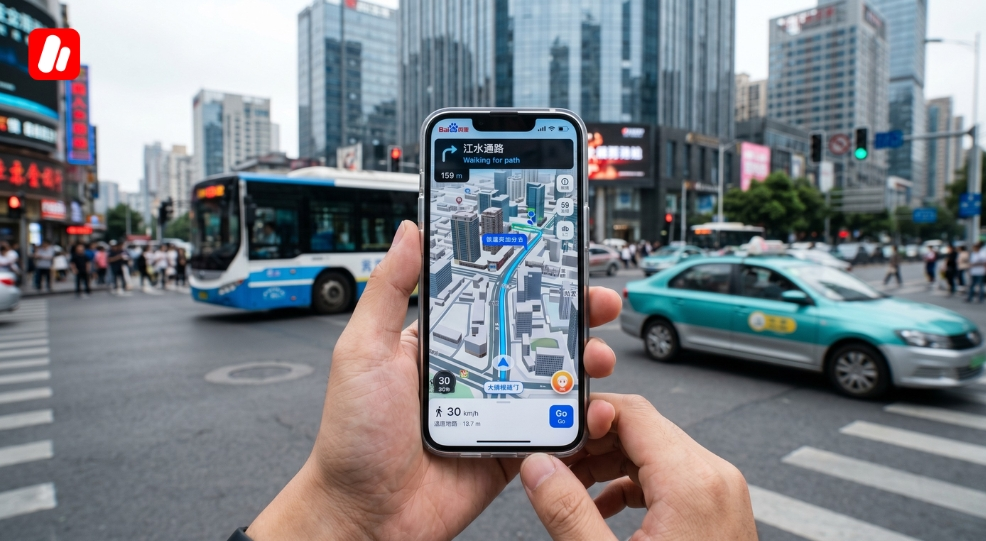
Traditional taxis (metered cabs) are available 24 hours a day in major Chinese cities. They are easy to spot by their distinctive colours and the “Taxi” light on the roof. Taxis are the best option during bad weather, late at night, or when travelling with heavy luggage.
DiDi Chuxing (滔滔出行) is China’s dominant ride-hailing platform, used by over 550 million people across more than 400 cities. Think of it as Uber, Grab, and Bolt combined into a single Chinese super-app. For international students, DiDi is arguably the single most important transport tool to install before arriving in China.
The easiest way for Moroccan students to use DiDi is through the WeChat or Alipay mini-program — no separate app download needed. Open Alipay, search “Didi”, and the mini-program appears. Enter your pickup and destination (English is accepted), choose your ride type, and confirm. Payment is automatic via your linked card or Alipay balance.
DiDi uses dynamic pricing: fares surge during weekday rush hours (7–9 AM and 5–7 PM) and in bad weather. Check the app for available discount coupons — regular promotions are common, especially for new users.
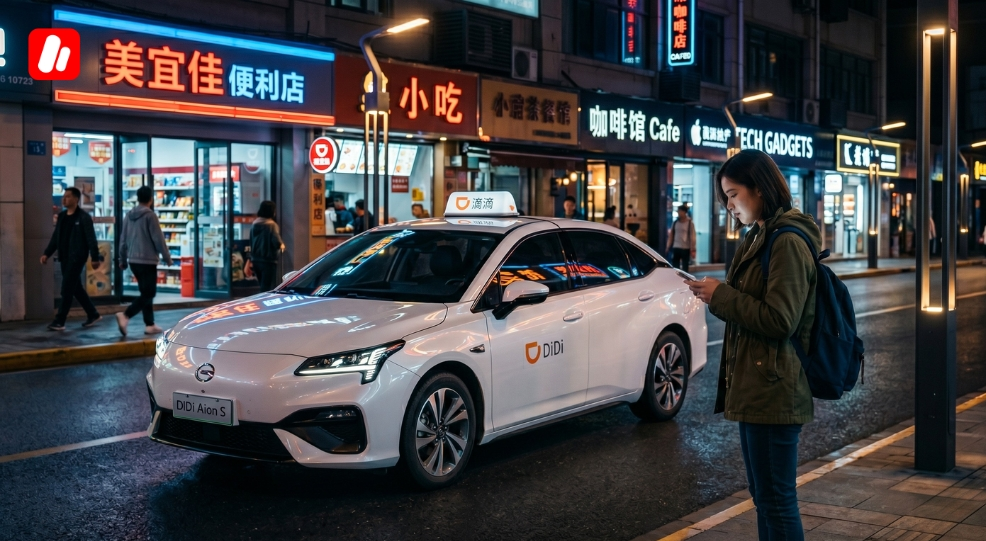
| “DiDi is fully operational in China in 2025, supports foreign users, and integrates seamlessly with WeChat — making it easy to book rides even without a local SIM card.” — WildChina Travel Guide, 2025 |
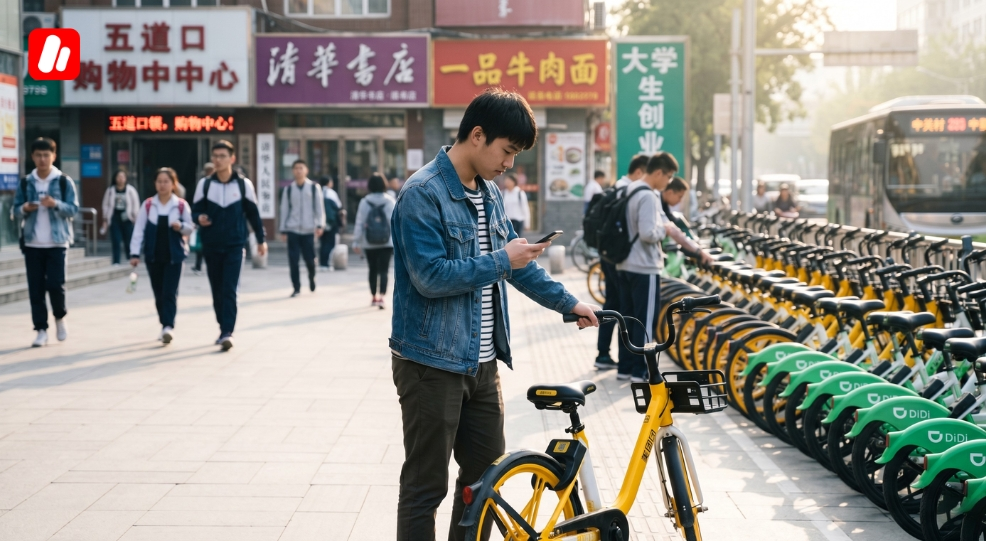
Shared electric bicycles and standard bicycles are one of the most practical and enjoyable ways for students to travel short to medium distances — especially around the university neighbourhood. China’s bike-sharing infrastructure is among the most developed in the world, with dedicated parking zones scattered across every major city.
Download the relevant app (or open Alipay and tap Scan), find a nearby bicycle on the map, scan the QR code on the bike frame to unlock it, ride to your destination, and park in a designated zone. Lock it via the app to end the session. No helmet is typically required for shared bikes, though wearing one is advisable.
For students living in or near the university district, shared e-bikes are an ideal complement to the metro for last-mile journeys — getting you from the nearest metro station to your dormitory or classroom building.
In some cities — particularly smaller or medium-sized ones — you will see motorbike taxi drivers (called módí, 摩的) waiting near bus stations, university gates, or busy intersections. They offer quick door-to-door service for short distances, often faster than a taxi in congested areas.
Yes — student transportation discounts exist in China, though the specific benefits and eligibility criteria vary by city and university.
The China T-Union card (交通联合卡) is a national contactless transport card accepted in over 336 Chinese cities on buses, metro systems, ferries, and even some taxis. It functions like London’s Oyster card or Paris’s Navigo. International students can purchase one at metro station service desks or convenience stores, typically paying a CNY 20 deposit plus an initial top-up.
Some cities issue dedicated student cards for enrolled students (domestic students primarily, through their university). In Taiyuan, for example, primary, secondary, and higher education students can apply for a card granting 50% off metro fares. International students enrolled in Chinese universities should inquire at their university student affairs office (Xuéshēng Shùwù Zhōngxīn, 学生服务中心) upon arrival — in many cases, your student ID card doubles as your campus card and may unlock local transport discounts.
Even without a physical student card, using Alipay or WeChat Pay for metro and bus payments often activates automatic discounts compared to single-journey cash tickets. Setting up these apps before you arrive in China is strongly recommended.

One of the great advantages of studying in China is that transportation within university campuses is completely free. Chinese universities are typically large — many covering several square kilometres — and they invest significantly in internal mobility infrastructure for their students and staff.
Several universities also operate school buses that connect the campus to the nearest city centre, metro station, or commercial district. These buses are usually free for students or charge a nominal fee (CNY 1–5) and can be booked through the university’s WeChat mini-program or app. This is particularly common for universities located in suburban or new development zones slightly away from the city core.
| “The university has its own school bus which can bring students to different locations. With WeChat you can book your bus tickets for a certain day and time. It’s easy and cheap.” — SIT Shanghai International Experience Guide |
Before you land in China, download and set up these applications on your phone:
| App | Purpose | Language |
| Alipay | Payment (metro, bus, DiDi, bikes, shopping). Essential. | English supported |
| WeChat / WeChat Pay | Payment + DiDi mini-program + campus bus booking | English supported |
| DiDi | Ride-hailing: taxis, private cars, e-bikes, scooters | Full English UI |
| Baidu Maps | Navigation, metro routes, real-time traffic (best China coverage) | Chinese (some English) |
| Gaode Maps (Amap) | Alternative navigation, most accurate for Chinese addresses | Chinese UI |
| Apple Maps | Surprisingly reliable in China for public transport routes | English |
| MetroMan | Offline metro maps for almost all Chinese cities, fare calculator | English supported |
| Meituan / HelloBike | Shared bicycle and e-bike rental | Chinese (use QR via Alipay) |
Important: Google Maps does not function reliably in mainland China. Download Baidu Maps or Gaode Maps before departure and allow location access. Apple Maps works well for transit routing in major Chinese cities.Frequently Asked Questions — Transportation in China for International Students
Great Wall Education is Morocco’s leading consultancy specialising exclusively in helping Moroccan students secure admission and scholarships at top Chinese universities. Our team of experienced advisors has guided hundreds of students through every step of the process — from choosing the right university and programme, to obtaining a visa, securing a scholarship, and settling into life in China.
Whether you want to study medicine, engineering, business, or Chinese language, we handle the complexity so you can focus on your future. We offer complete support in Arabic, French, and English — and we understand exactly what Moroccan students need to succeed in China.
➤ APPLY NOW — Free Initial Consultation Available ➤
Public transport in China is extremely affordable. Metro trips start from CNY 2–3 (approx. MAD 4–5), city buses cost CNY 1–2 per ride, and DiDi rides run CNY 2–4 per km. Most universities also provide free campus shuttle buses between buildings. With a T-Union smart card, students receive automatic discounts of 10–50% on metro and bus fares.
Yes, absolutely. China’s metro systems are fully accessible to international students. Stations have bilingual signage in Chinese and English, and payment is simple via Alipay or WeChat Pay QR codes, which accept international cards. No local bank account is required.
DiDi is generally considered safe and reliable. All drivers are registered and verified, rides are GPS-tracked, fares are shown upfront, and the app has 24/7 English customer service. DiDi is often preferable to hailing a street taxi, as it eliminates meter scams. Always verify the car’s license plate matches the booking before getting in.
Yes. Virtually all Chinese universities offer free shuttle bus services within the campus. These electric or fuel buses run on fixed routes connecting dormitories, teaching buildings, libraries, and campus gates. Schedules and bookings are typically managed via the university’s WeChat mini-program.
You can pay for public transport using Alipay or WeChat Pay linked to an international credit or debit card (Visa or Mastercard). Both apps accept foreign cards and support English interfaces. In Beijing and Shanghai, international contactless cards also work directly at metro turnstiles. For cash, ATMs accepting international cards are available at most metro stations.
The China T-Union (交通联合) card is a national transit smart card — similar to London’s Oyster card — accepted on buses, metros, and ferries in over 336 cities across China. It provides automatic discounts (10% on metro, up to 50% on buses) and is very convenient for students who take public transport regularly. Purchase one at metro station service desks for a CNY 20 deposit plus initial top-up.
Yes. Shared e-bikes are very popular among students for short to medium urban trips. Open Alipay, tap Scan, and scan the QR code on the bike to unlock it. Ride to your destination, park in a designated zone, and lock it via the app. Prices start from CNY 1.50 for 30 minutes (standard bike) or CNY 5–10 per hour (e-bike).
Google Maps does not work reliably in mainland China. Use Baidu Maps for the most comprehensive coverage of Chinese addresses and public transport routes, or Gaode Maps (Amap) for accurate real-time navigation. Apple Maps works well in China for transit. All DiDi rides use GPS routing automatically.
Introduction Opening a Business in China is a high-intent query for students

Introduction Understanding how to send money to China as an international student is

Introduction Why Chinese universities reject documents is one of the biggest concerns for