Living in China
Arab & North African Students in China: Social Reality
Explore the social reality of North African students in China. Discover authentic insights

Scholarship application and exam preparation support.
Practice tests, strategies, and feedback to help you achieve your target score.
Targeted training and past paper practice to boost your exam performance.
Mock interviews and coaching to help you succeed in admissions and visa interviews.

Stepping out into the arrivals hall at Beijing Capital International Airport with two heavy suitcases, the reality of moving across continents suddenly sinks in. For thousands of North African Students in China, this specific moment marks the transition from familiar streets in Casablanca or Algiers to an entirely new academic world. You scan the digital signage, listen to unfamiliar announcements, and wonder how daily life will unfold over the coming semesters.
Every year, more Arab students in China choose degrees in engineering, medicine, and international trade. Many secure spots through national grants or Chinese provincial government Scholarships, drawn by world-class campus facilities and strong industrial partnerships between China and the Maghreb. Yet, moving beyond the lecture hall brings practical questions about campus dining, local habits, and building a reliable social circle.
Understanding the actual student life in China helps you replace anxiety with clear expectations. Our team at Great Wall Education documents these day-to-day realities across our student education blog to give you straightforward guidance on navigating campus life, finding community, and settling into your new environment.
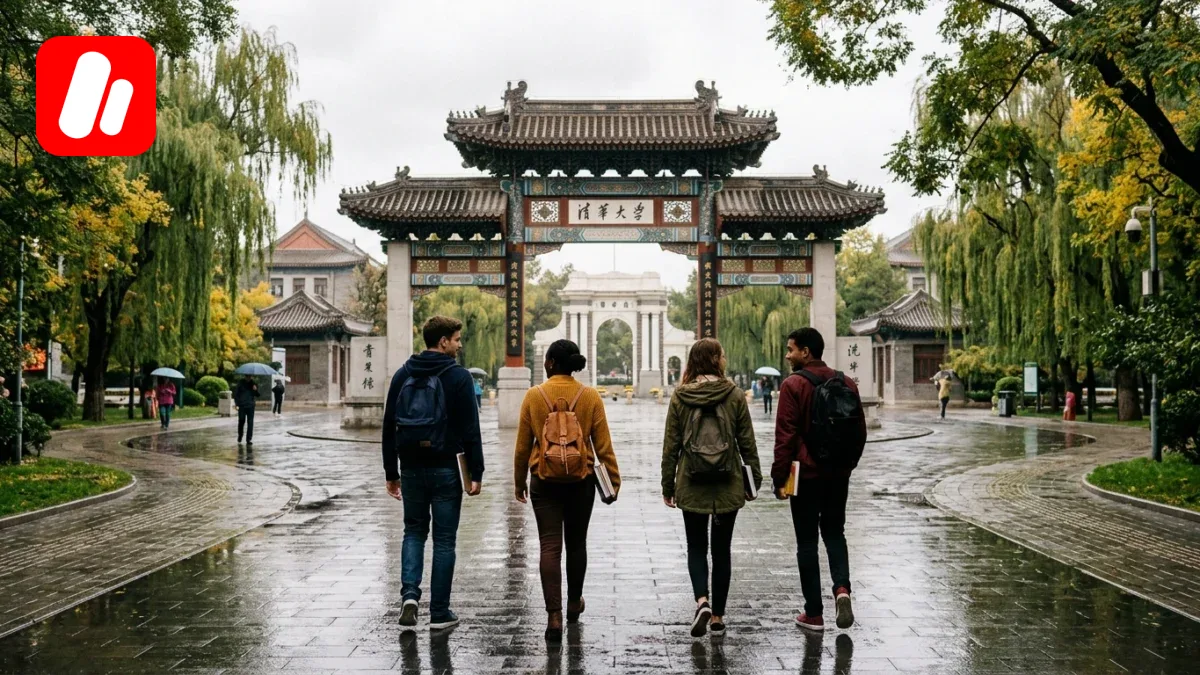
Stepping out of the terminal and into campus life brings you face-to-face with daily communication. While English-taught degree courses remove academic hurdles in lecture halls, everyday transactions require basic Mandarin. Understanding how North African Students in China bridge this gap transforms early hesitation into practical confidence.
Most local vendors, taxi drivers, and delivery couriers speak little English. You will quickly realize that functional communication does not require immediate fluency in Mandarin characters, but rather targeted spoken phrases and digital tools.
Essential daily tools for international arrivals:
Campuses actively support this transition. Under guidelines from the Ministry of Education of the People’s Republic of China, universities incorporate mandatory elementary Chinese language classes into international curricula. These structured hours help Arab students in China move beyond digital translators within their first semester.
Daily exposure gradually shapes your student life in China, turning grocery runs and metro commutes into natural language practice.
While navigating daily vocabulary smooths out practical errands, social encounters often introduce subtle cultural frictions. Many North African students in China find that public reactions stem less from hostility and far more from unfamiliarity, curiosity, or media-driven perceptions.
African student enrollment across Chinese higher education institutions exceeds 80,000 students according to official education statistics, yet everyday citizens outside major campus districts may have limited direct exposure to international visitors.
Typical social dynamics encountered off-campus include:
Understanding these interactions helps frame the Moroccan students China experience accurately. Institutional ties and mutual educational programs recorded through Xinhua News Agency – China-Arab Cultural and Educational Exchanges continue to expand mutual understanding, giving Arab students in China solid academic environments alongside supportive university foreign affairs offices.
💡 Tip from the Great Wall Education team: When confronted with awkward stares or photo requests, respond with polite boundaries or a simple Mandarin phrase like “Bu hao yisi” (excuse me) to defuse tension calmly and keep your peace of mind.
Moving past initial social frictions takes intentional effort, but building a genuine circle transforms your entire stay. For North African students in China, day-to-day connection usually grows through campus routines, shared meals, and mutual curiosity rather than formal networking events.

Most universities pair incoming internationals with local degree candidates during orientation week. These language partnerships often evolve into lasting friendships, helping you navigate campus apps like WeChat, discover affordable regional eateries, and practice spoken Mandarin outside the classroom.
Primary hubs for building your network:
Balancing both worlds enriches student life in China. Connecting with your local living in China community offers immediate comfort when homesickness hits, while stepping out of your comfort zone ensures you build authentic ties with your Chinese hosts.
Youssef, a mechanical engineering student from Casablanca now finishing his third year in Wuhan, remembers his first winter as a sharp wake-up call. Between navigating complex technical lectures and cooking tagines with local spices, adapting required daily persistence. His journey mirrors the typical Moroccan students China experience, where initial cultural shocks steadily transform into practical self-reliance.

Everyday realities from the field highlight three consistent patterns:
Common milestones reported by students:
These individual accounts reflect a much wider shift. According to the UNESCO Institute for Statistics – Global Flow of Tertiary-Level Students, sustained mobility patterns have turned Chinese universities into top destinations for international scholars. For North African students in China, turning these everyday challenges into milestones builds the resilience that employers actively seek.
Personal stories highlight remarkable resilience, yet many incoming candidates still build their expectations around outdated assumptions. Unpacking these myths early saves you unnecessary stress when planning your daily routine.
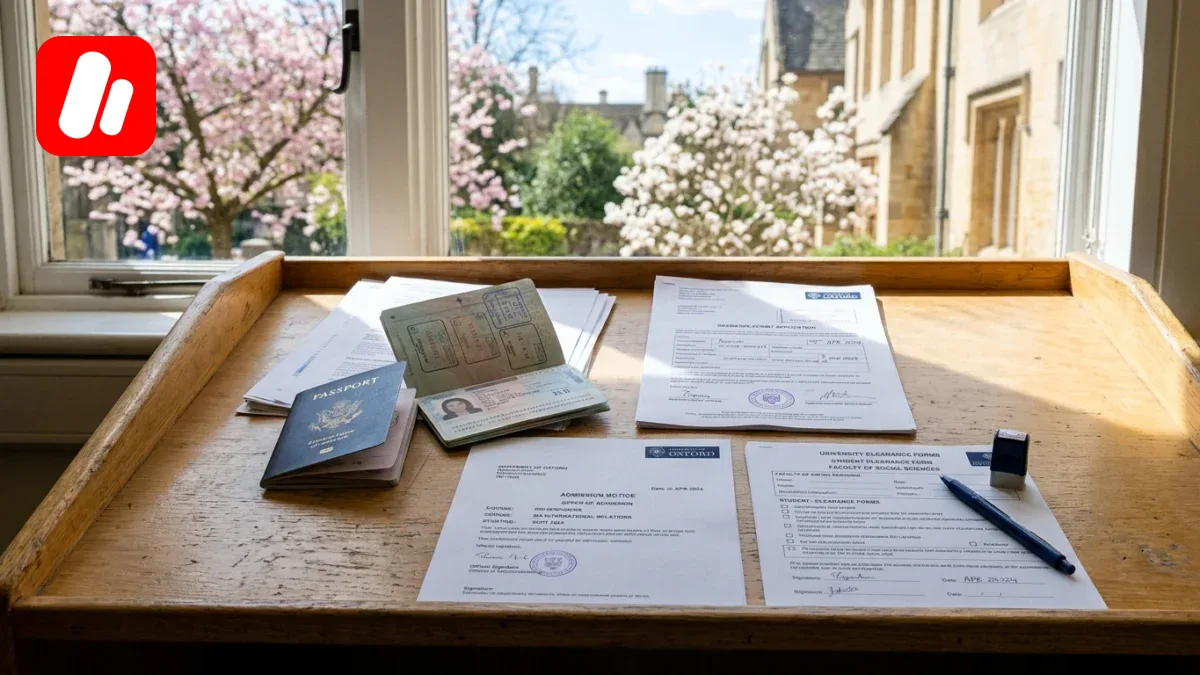
One widespread belief is that you can manage daily life exclusively in English. While your academic coursework may be entirely in English, local grocery stores, delivery couriers, and residential services run strictly on Mandarin. Expecting an English bubble outside campus gates often leads to immediate culture shock.
A second common error involves underestimating everyday budgets. Many newcomers assume life across the country is uniformly cheap, forgetting that tier-1 hubs like Shanghai and Beijing require significantly higher personal funds than smaller university towns.
Frequent planning oversights:
Evaluating these details before departure gives future North African Students in China a grounded perspective, ensuring that your transition remains practical, well-budgeted, and rewarding from day one.
Moving past those initial misconceptions reveals what daily life actually demands: patience, curiosity, and an open mind. For North African Students in China, the journey pushes you out of your comfort zone, but it transforms your worldview and opens doors to competitive international careers.
Every everyday challenge—from ordering groceries to adapting to university life—builds resilience. You gain fluency in a global language, create lifelong friendships within a diverse campus environment, and master independence thousands of miles from home.
Taking this path requires clear direction from day one. If you want transparent guidance on university applications, scholarship steps, and document preparation, reach out to our team at Great Wall Education to plan your studies with confidence.
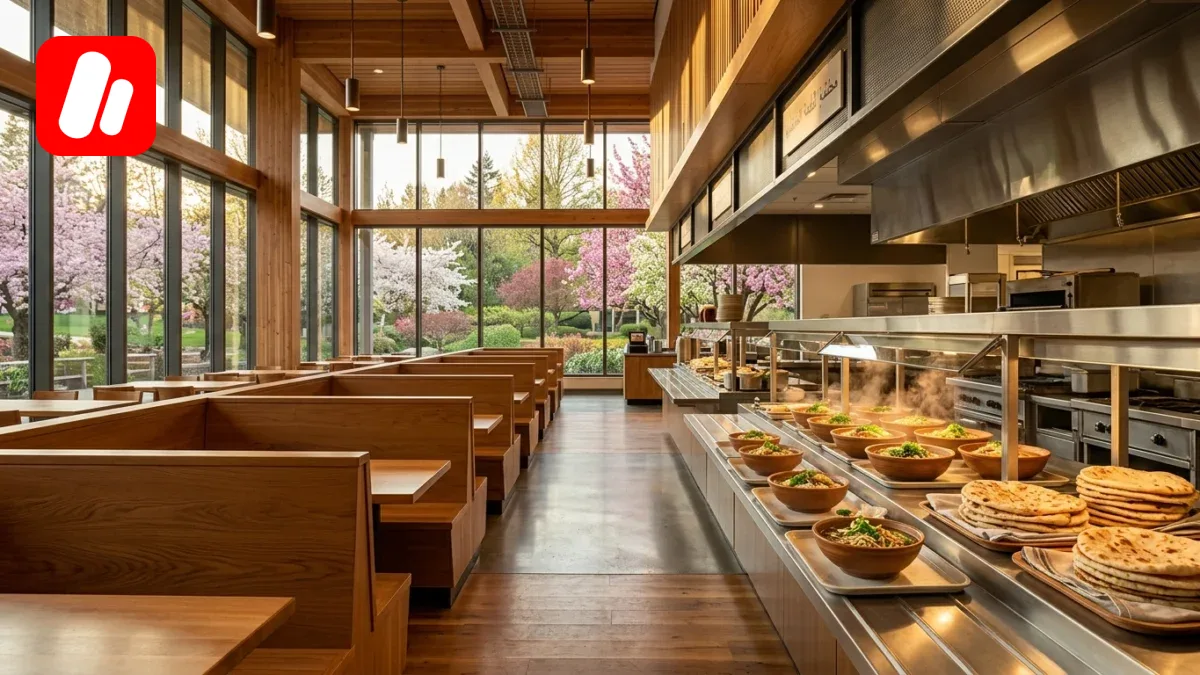
Daily life for North African students in China centers around structured campus routines, modern conveniences, and active international communities. You will navigate daily meals via university dining halls, local halal eateries, and cashless mobile payments. Across Chinese universities, African student enrollment exceeds 80,000 students, meaning you will easily connect with established student associations, study groups, and cultural networks right from your first semester.
Living and studying costs remain quite accessible. Annual tuition for English-taught bachelor degrees ranges from 15,000 to 45,000 RMB depending on your discipline. On-campus international dormitories typically cost between 600 and 1,500 RMB per month, while average monthly living expenses in tier-1 and tier-2 cities range between 2,500 and 4,500 RMB to cover food, transit, and personal needs.
Yes, finding halal food is straightforward across Chinese university campuses. Most public institutions operate dedicated Muslim dining halls managed by Hui or Uyghur chefs. Outside campus gates, Lanzhou hand-pulled noodle shops and Xinjiang restaurants serve certified halal meals in every major city. Larger metropolitan hubs also feature Arab restaurants, authentic Maghrebi grocers, and community butcher shops.
No, Moroccan students rarely experience paralyzing communication barriers in daily life. Most bachelor and master degree courses run entirely in English, while translation apps handle off-campus errands and shopping smoothly. However, mastering conversational Mandarin during your first year dramatically improves local friendships, enriches social integration, and helps you navigate internships or administrative paperwork with confidence.
Graduates enjoy strong career prospects across global trade, diplomacy, technology, and engineering. China-North Africa infrastructure and manufacturing initiatives host more than 150 joint commercial ventures across the Maghreb. Companies actively recruit bilingual Arab alumni who understand Chinese workplace norms to lead international supply chains, industrial parks, and cross-border project management across Morocco, Algeria, and Egypt.
Explore the social reality of North African students in China. Discover authentic insights
Check official CSCA test center locations, in-person testing hubs, and remote online exam
Discover the cheapest student cities in China for 2027. Compare low cost Chinese