
Living in China
Opening a Business in China? (2026 Legal & Practical Guide for Students)
Introduction Opening a Business in China is a high-intent query for students

Scholarship application and exam preparation support.
Practice tests, strategies, and feedback to help you achieve your target score.
Targeted training and past paper practice to boost your exam performance.
Mock interviews and coaching to help you succeed in admissions and visa interviews.


Chinese classroom culture explained for international students is essential for anyone planning to study in China in 2026.
Many students arrive expecting a Western-style learning environment, but Chinese universities often follow a structured, discipline-oriented academic system with strong emphasis on attendance, exams, respect for professors, and academic integrity.
Understanding Chinese classroom culture helps international students avoid misunderstandings, improve academic performance, and adapt faster to university life in China.
Before preparing for university life, international students should also understand the complete process of studying abroad through guides about studying in China, Chinese university admissions, and China scholarships opportunities. These resources help students prepare academically, financially, and culturally before arriving in China.
This guide explains how attendance works, how students interact with teachers, how exams are structured, how group projects are handled, and how plagiarism rules are enforced.

Attendance is taken seriously in most Chinese universities, especially for international students.
Key Features
In many cases, attendance contributes directly to your final score, unlike some Western systems.
Some universities also require international students to maintain attendance standards to preserve scholarship eligibility and visa compliance.
Formal and Respectful Culture
Chinese classrooms follow a structured hierarchy between students and professors.
Key Characteristics
Unlike more interactive systems, students may need to actively encourage participation.
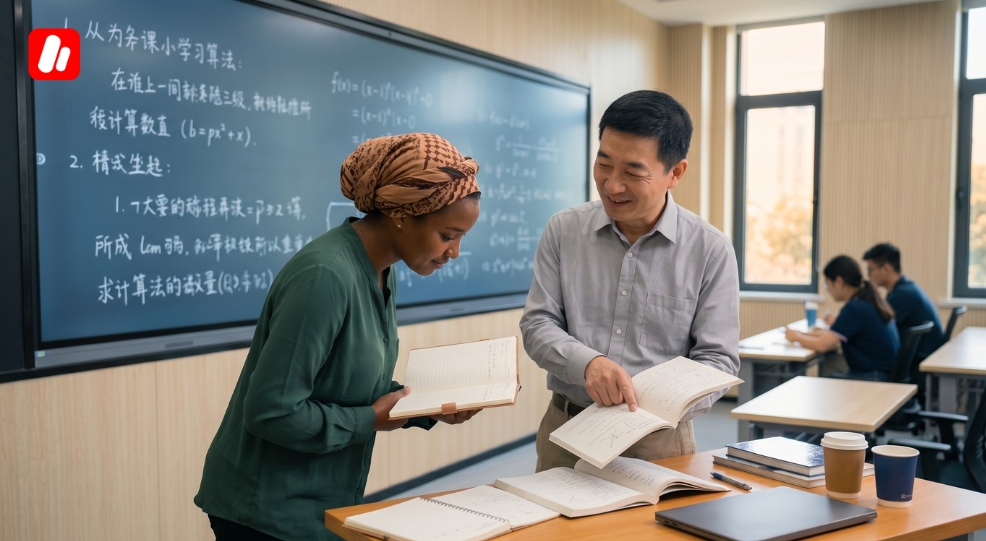
Limited Classroom Debate
In many courses:
However, graduate programs are generally more interactive and research-oriented.
Exams are one of the most important elements of Chinese academic evaluation.
Key Characteristics
Some universities also include:
Strong exam performance is essential for passing courses and maintaining scholarships.
Group work is common but structured differently compared to Western systems.
Key Features

International students may initially find group coordination challenging due to language differences and communication styles.
Building communication skills and cultural awareness helps students integrate faster into academic teams.
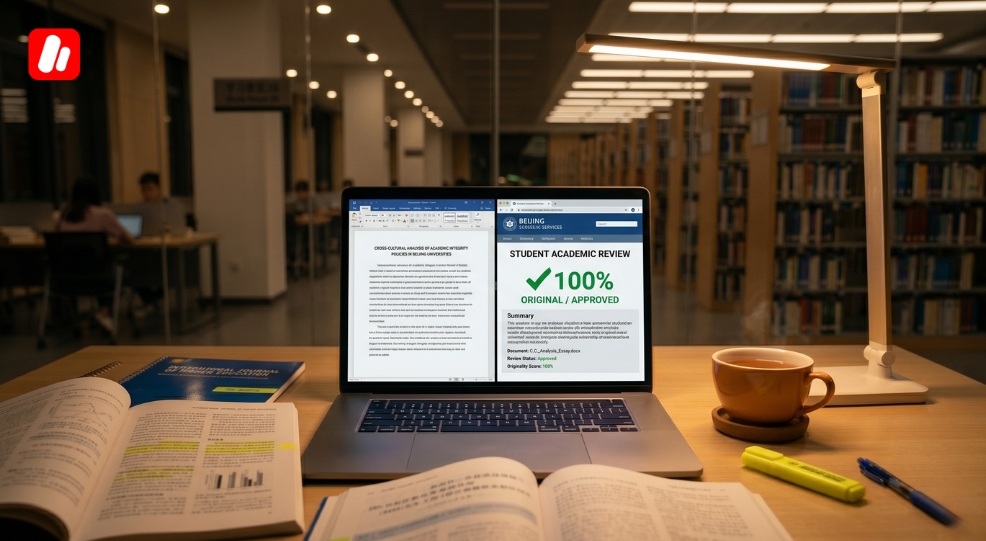
Chinese universities enforce strict academic integrity policies.
What Is Considered Plagiarism
Consequences
Universities and the China Scholarship Council take academic integrity seriously, especially for scholarship students.
Many universities now use plagiarism-detection software and stricter thesis review systems for international students.
Chinese universities expect students to:
Informal behavior is generally discouraged in formal academic settings.
Students are also expected to respect deadlines, maintain professional communication, and cooperate effectively during academic activities.
| Aspect | China | Western Universities |
| Attendance | Strict | Flexible |
| Teaching Style | Lecture-based | Interactive |
| Exams | High weight | Balanced |
| Group Work | Structured | Collaborative |
| Student Behavior | Formal | Casual |
| Participation | Limited | Encouraged |
1. Improve Attendance Discipline
Treat attendance as part of your grade, not optional participation.
2. Learn Classroom Etiquette
3. Prepare for Exam-Heavy Evaluation
4. Communicate in Group Projects
5. Avoid Plagiarism Risks
Students planning to study in China often struggle with university selection, scholarship applications, visa preparation, and adapting to Chinese academic culture.
Great Wall Education helps international students throughout the entire admission journey for Chinese universities and scholarships. Their support includes university selection, CSC scholarship guidance, application preparation, admission strategy, and pre-departure assistance.
If you want to maximize your chances of admission and avoid common application mistakes, working with experienced China education consultants can significantly simplify the process.
➤ APPLY NOW — Free Initial Consultation Available ➤
Chinese classroom culture is different from many Western academic systems, particularly in terms of discipline, attendance expectations, professor interaction, and exam structure.
International students who understand these cultural and academic expectations adapt faster, perform better academically, and avoid common mistakes related to attendance, plagiarism, and classroom behavior.
Preparing before arrival is one of the best ways to succeed in Chinese universities. Understanding academic culture, scholarship systems, and student expectations will help international students build a smoother and more successful study experience in China.
Chinese classroom culture is structured, discipline-oriented, and exam-focused, with strong emphasis on attendance, respect for teachers, punctuality, and academic performance.
Yes. Attendance is often strictly monitored and can directly affect final grades, scholarship eligibility, and academic standing in many Chinese universities.
Yes. Exams usually account for a large percentage of final grades, often between 50% and 70% depending on the course and university.
Classroom participation is generally more formal and limited compared to Western universities, especially in undergraduate programs where lectures are professor-centered.
Plagiarism can result in failing grades, academic warnings, suspension, scholarship cancellation, or expulsion depending on university policy and severity.
Chinese universities can feel academically and culturally challenging at first, especially because of strict attendance rules and exam-focused evaluation. However, most international students adapt successfully over time.
Some universities offer fully English-taught programs, especially for medicine, engineering, business, and graduate studies. However, daily communication may still involve Chinese.
In some universities, participation contributes to continuous assessment, but exams generally remain the most important grading component.
Introduction Opening a Business in China is a high-intent query for students

Introduction Understanding how to send money to China as an international student is

Introduction Why Chinese universities reject documents is one of the biggest concerns for