Uncategorized
Public and Private Universities in China: Key Differences (2026)
For Moroccan students, public universities in China are the gold standard, offering government-funded

Moroccan students in China can fully observe Ramadan: fasting, prayers, and Eid celebrations, even if the experience is quieter and more personal than back home. This guide explains halal food, mosque access, university respect, emotional challenges, digital tools, and practical tips to make Ramadan spiritually meaningful and manageable in Chinese cities.
Yes — Moroccan students can observe Ramadan in China.
Fasting is allowed. Prayers are possible. Halal food exists.
But Ramadan in China does not come with the familiar rhythm Moroccan families are used to. There are no public reminders, no adjusted schedules, and no shared national atmosphere.
For many students, this raises one quiet question before leaving Morocco:
“Will I really be able to live Ramadan properly there?”
This guide answers that question honestly , based on how Moroccan students actually experience Ramadan in China.
Ramadan in China is calm. Quiet. Personal.
There are no street decorations, no public iftar calls, and no national pause.
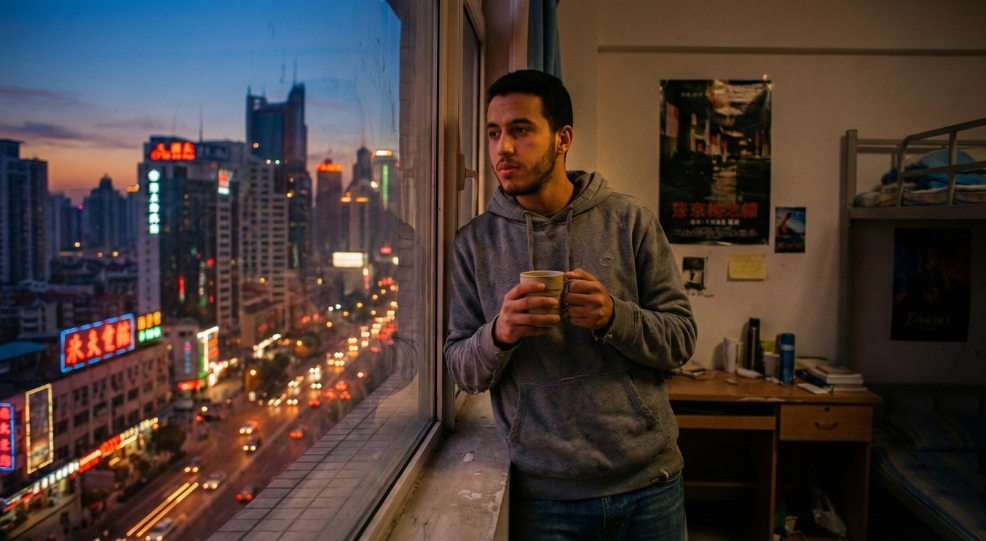
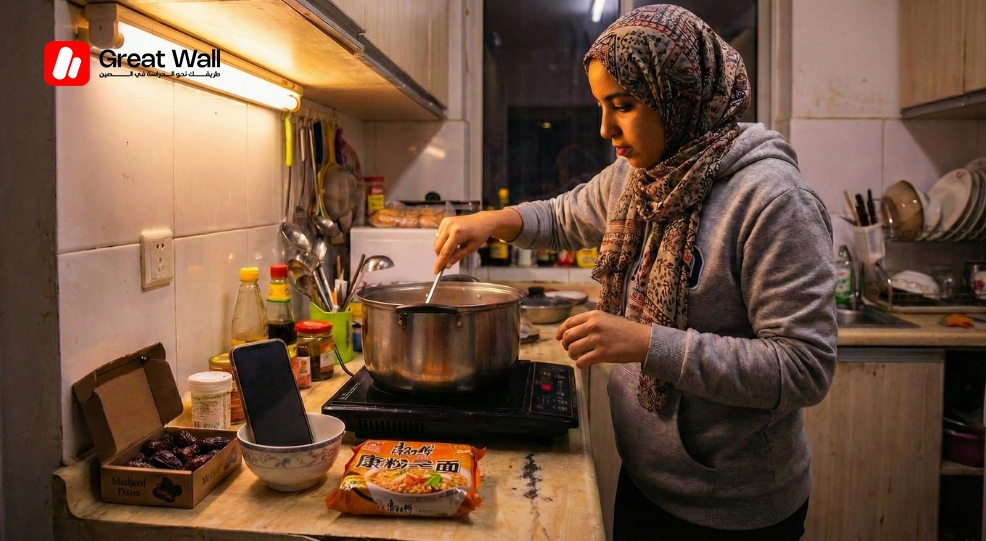
Instead, Ramadan happens in dorm rooms, shared apartments, small mosques, and late-night video calls with family back home.
For some students, the first days feel emotionally heavy. For others, the silence becomes a moment of deep focus and spiritual connection.
Students who already read guides like “Halal Food & Mosque Access : Being Muslim in China (2026 Guide)” usually adapt faster because expectations are realistic.
Yes. Fasting is fully allowed and treated as a personal religious choice.
Universities do not interfere. Classes, labs, and exams continue normally; exactly as described in “How To Survive in China (2026): VPNs, Alipay & Banking Guide”, where personal adaptation is key.
Most Moroccan students manage fasting by:
The challenge is not permission; it is energy management.
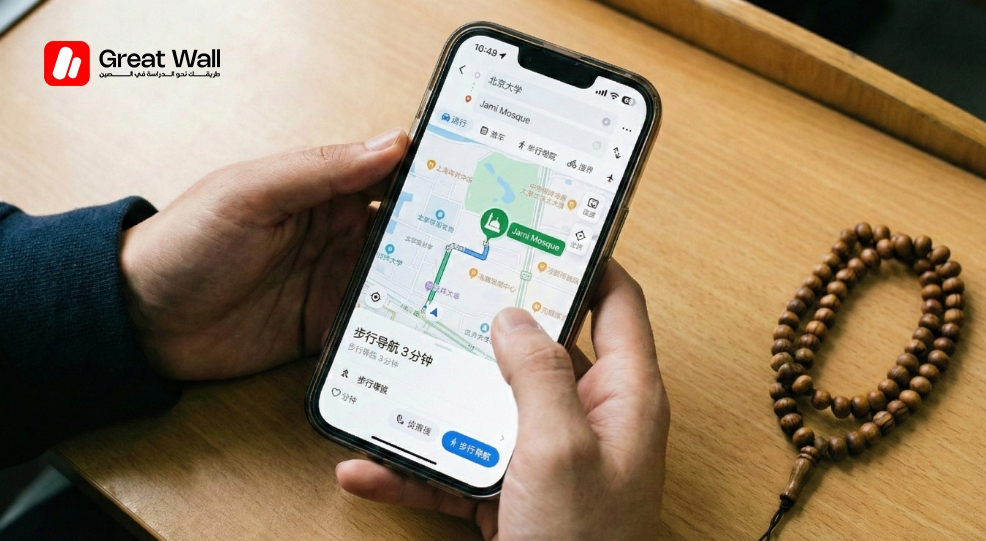
Mosques are open during Ramadan, especially in cities with international students.
In Beijing, Shanghai, Guangzhou, Xi’an, Yiwu, and Ningxia-region cities, Moroccan students can attend:
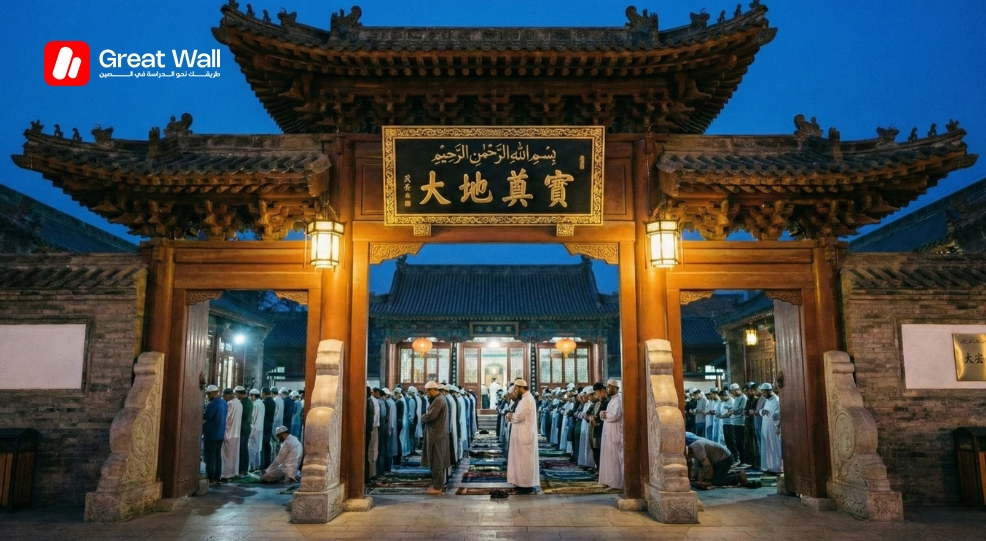
Taraweeh is usually held in the evenings, often crowded, and sometimes emotionally powerful; especially when hearing Qur’an recited far from home.
Students who read “Arrival in China: The First 30 Days for Moroccan Students (2026)” tend to locate mosques early, which makes Ramadan much smoother.
Halal food exists in China, but Ramadan requires planning.
In major cities, halal restaurants near mosques often stay open until iftar. In smaller cities, students rely more on:
These tools make fasting, prayer, and iftar planning much easier, especially in cities where halal options are scattered.
Note: Ensure your VPN is active for WhatsApp video calls home, though WeChat works without one
Universities in China do not block Ramadan, but they also do not adjust academic schedules.
This means:
Most Moroccan students handle this calmly by:
The same principle applies to work rules explained in “Can I Work in China While Studying? (2026 Guide)” , respect exists, but structure stays rigid.
Great Wall Education supports Moroccan students with practical Ramadan guidance. We map out the nearest mosques and halal restaurants for every student we place, provide tips for suhoor and iftar planning, and connect students to other Moroccan and Muslim peers for support.
From academic advice to emotional guidance, we help make fasting, prayer, and Eid celebrations smoother, safer, and meaningful.
Eid in China is not public, but it is not empty.
Most Moroccan students:
For many, Eid becomes emotional rather than festive, a reminder of distance, but also of resilience. Parents often find reassurance in “A Parent’s Guide to Sending Your Child to China (2026)”, which explains this adjustment phase.
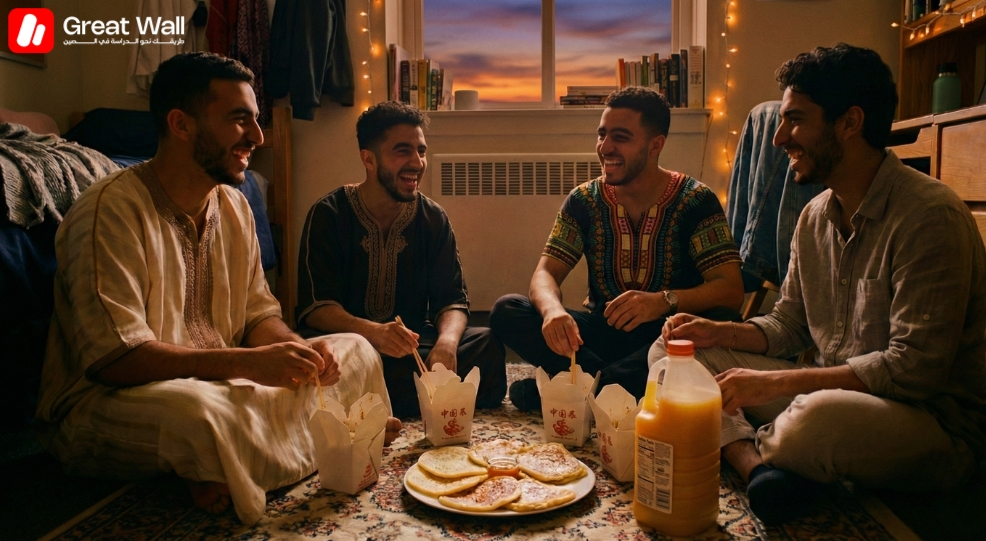
The biggest challenge is not fasting ; it is loneliness.
Students miss:
Those who connect with Moroccan or Muslim student groups experience Ramadan more peacefully. Others learn patience and inner discipline.
This emotional reality is similar to “Is China Safe for Moroccans? A Realistic Guide (2026)” ; safety exists, but emotional preparation matters.
It can be challenging at first, but it is absolutely manageable.
Students who struggle usually:
Students who prepare experience:
Ramadan in China is not easier, but it can be transformative.
Ramadan in China is not organized for you, but it is open to you.
Moroccan students are free to fast, pray, and live their faith.
The key difference is responsibility: you create your Ramadan rhythm.
With preparation, practical tools, and the right mindset, Ramadan in China becomes a moment of strength, maturity, and deep reflection; not fear.
Yes. Fasting is allowed and treated as a private religious practice.
Yes, especially in major cities and Muslim regions.
Yes, but planning is essential, especially outside big cities.
No, but fasting is respected.
Privately, through mosques and student communities.
Culturally yes — spiritually, many students find it meaningful.
For Moroccan students, public universities in China are the gold standard, offering government-funded
Moroccan students in China can fully observe Ramadan: fasting, prayers, and Eid celebrations,
Confused by rankings? Don’t risk your future on the wrong list. Discover the