
Living in China
Opening a Business in China? (2026 Legal & Practical Guide for Students)
Introduction Opening a Business in China is a high-intent query for students

Scholarship application and exam preparation support.
Practice tests, strategies, and feedback to help you achieve your target score.
Targeted training and past paper practice to boost your exam performance.
Mock interviews and coaching to help you succeed in admissions and visa interviews.


In 2026, Moroccans students and international students in China can legally work only through approved on-campus work-study programs or off-campus internships directly related to their field of study, as a standard student visa does not permit general employment. To remain compliant, students must obtain written university authorization and a mandatory “work endorsement” on their Residence Permit from the local Public Security Bureau (PSB).
While these roles provide a modest stipend to supplement daily living expenses, the article warns that engaging in unauthorized “gray market” jobs; particularly private English tutoring, remains a high-risk activity that can result in heavy fines, visa cancellation, and immediate deportation.
Many Moroccan students arrive in China assuming they can fund their studies by working part-time; just like in France or Germany. This assumption is the #1 cause of visa cancellations for international students in China.
So let’s be clear from the start: Yes, you can work while studying in China, but only under very strict legal conditions.
This guide explains exactly what is allowed, what is forbidden, and what is realistically possible in 2026, without rumors, agent myths, or dangerous shortcuts.
If your goal is to study in China without visa stress, fines, or deportation risk, this article is for you.
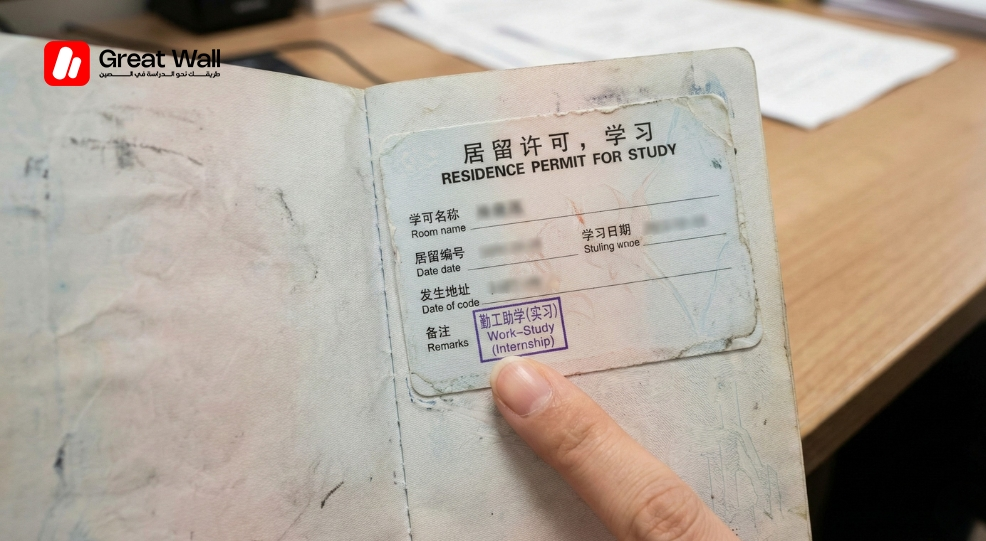
Yes, but not automatically.
By default, a Residence Permit for Study does NOT allow work.
To work legally, you must receive:
Without both, any paid activity is illegal, even if:
This applies to all international students, including Moroccans.
Your legal right to work depends on a specific endorsement on your residence permit.
The work authorization is a physical endorsement printed or stickered on your Residence Permit page in your passport.
It specifies:
If your passport does NOT contain this endorsement, you are working illegally, even if you have a contract or agreement.
No endorsement = no legal work.

There are only two safe paths.
Safest option
Many Chinese universities offer internal Work-Study programs (勤工助学) for international students.
Typical roles include:
Why this option matters:
Pay is modest, but this is the safest “first job” a student can have.
Availability and rules vary by university and city; always ask your International Student Office.
Legal if properly registered

Internships are the most common legal form of off-campus work.
Conditions:
Important note on payment
Legal internships often provide a stipend or allowance (for food and transport), not a full salary.
This is:
Cash-in-hand “salaries” are a major red flag.
An internship is not about money; it’s about positioning yourself for a Work Visa after graduation: How to Get a Work Visa in China as a Moroccan Graduate (2026).
Companies are far more likely to hire graduates they already trained.
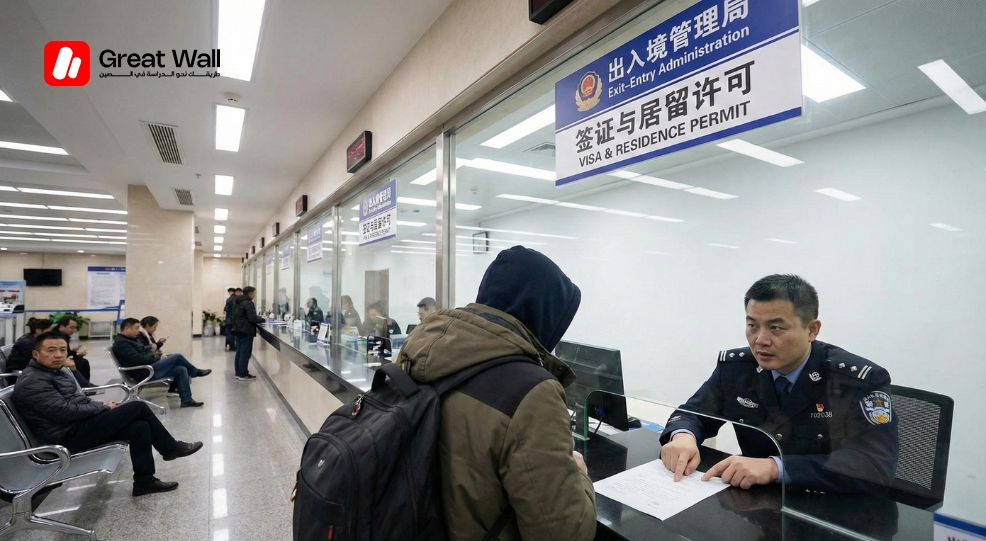
This is the #1 temptation for Moroccan students, and the #1 cause of deportation cases.
Agents often lie and say:
“It’s okay to teach English privately.”
This is false.
Why teaching English is dangerous? :
Private English tutoring is one of the fastest and most common causes of detention and deportation in 2026.
If someone says “everyone does it,” walk away.
Let’s be realistic.
Legal student work in China:
It may help with:
Because internships rarely pay a full salary, you must rely on smart Student Budget planning. Cost of Living in China: The 2026 Student Budget Guide to cover rent and tuition.
Possible consequences include:

In many cases, fines are deducted directly from your Chinese bank account or WeChat Pay before removal.
(How To Survive in China (2026): VPNs, Alipay & Banking Guide)
Instead of risking your visa:
Planning beats improvisation.
Chinese student work regulations are complex and often misunderstood.
Most problems don’t come from bad intentions — they come from bad advice.
Great Wall Education helps Moroccan students:
The smartest strategy is not working more; it’s planning correctly from the start.
Yes, but only with university approval and a PSB work endorsement on the residence permit.
Only in approved on-campus roles or registered internships. Casual jobs are illegal.
No. Private English teaching is illegal on a student visa and often leads to deportation.
It is a physical note printed or stickered in your passport specifying your legal work permission.
Yes, if approved and registered. Most pay a stipend, not a salary.
It’s a legal grey area and can cause problems during visa renewal.
Limits vary by city and are written on the residence permit endorsement.
Immigration & Law
Education Authorities
University Compliance
Introduction Opening a Business in China is a high-intent query for students

Introduction Understanding how to send money to China as an international student is

Introduction Why Chinese universities reject documents is one of the biggest concerns for