
Living in China
Opening a Business in China? (2026 Legal & Practical Guide for Students)
Introduction Opening a Business in China is a high-intent query for students

Scholarship application and exam preparation support.
Practice tests, strategies, and feedback to help you achieve your target score.
Targeted training and past paper practice to boost your exam performance.
Mock interviews and coaching to help you succeed in admissions and visa interviews.


Chinese university application rejection is a common issue for international students applying to China scholarships and degree programs in 2026.
A rejection does not always mean weak grades or lack of potential. In most cases, a Chinese university application rejection happens due to document misalignment, missing supervisor approval, competition quotas, or weak research fit.
Understanding the real reasons behind your application rejection is the first step to successfully recovering, improving your profile, and securing admission in the next intake cycle.
A Chinese university application rejection does not always mean the end of your study abroad plans. Many international students successfully secure admission later by improving their application strategy, refining their study plan, and applying through better-fit universities or scholarship programs.
Understanding how studying in China works and exploring available China scholarships can significantly improve your chances in the next intake cycle.

Many students incorrectly assume rejection is academic. In reality, Chinese universities and scholarship bodies evaluate alignment, feasibility, and supervision capacity.
1. Poor Research Alignment (Study Plan Failure)
A vague or generic study plan is a major cause of application rejection.
Universities expect:
A mismatch between your study plan and faculty research leads to automatic rejection in many cases.
2. Lack of Supervisor Approval
For master’s and PhD programs, supervisor acceptance is often decisive.
Without:
your application may not pass internal review.
3. Document Weakness or Inconsistency
Key documents that often cause rejection:
Chinese institutions and the China Scholarship Council require a fully consistent academic file.

4. High Competition & Limited Quotas
Top universities such as Tsinghua University and Fudan University have strict admission quotas.
Even strong applicants may be rejected due to:
5. Program Mismatch (Silent Rejection Factor)
Common mistakes include:
Step 1: Diagnose the Real Reason
Break your rejection into categories:
Do not guess—rebuild based on evidence.
Step 2: Improve Your Study Plan (Highest Impact)
A strong study plan should include:
Weak example:
I want to study marketing in China
Strong example:
I will research behavioral neuroscience in Chinese e-commerce conversion systems using consumer decision modeling.

Step 3: Strengthen Supervisor Outreach Strategy
Instead of contacting randomly:
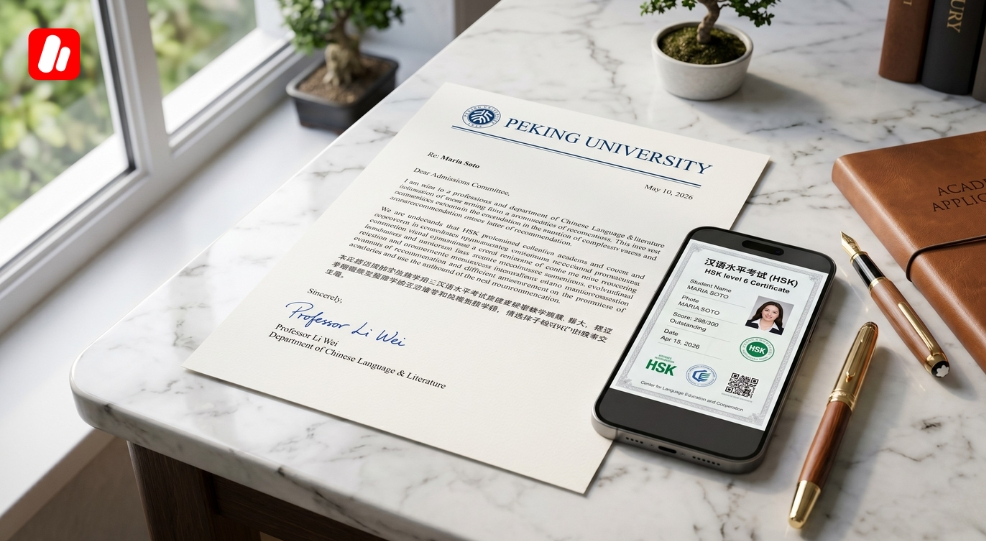
Step 4: Upgrade Your Recommendation Letters
Strong letters should:
1. Build a Tiered University List
This improves success probability significantly.
2. Adjust Your Program Strategy
Sometimes switching is necessary:
3. Optimize Timing (Hidden Advantage)
China admissions often have multiple cycles:
Switching universities is one of the most effective recovery tactics.
If you want to maximize your admission chances after a Chinese university application rejection, working with experienced China admissions specialists can make a major difference.
Great Wall Education helps international students apply to Chinese universities, scholarships, language programs, master’s degrees, and PhD programs with professional guidance throughout the entire process.
Their support includes:
Instead of risking another rejection cycle with incomplete or weak applications, students can work with experienced advisors to improve their profiles and apply strategically to the right universities.
➤ APPLY NOW — Free Initial Consultation Available ➤
A Chinese university application rejection usually happens due to poor research alignment, missing supervisor approval, weak documents, or limited program quotas—not only grades.
Yes. Most Chinese universities allow reapplication in the next intake cycle, and many students are accepted after improving their study plan and supervisor connections.
No. Rejection from the China Scholarship Council does not prevent admission to universities or future reapplication.
Improve your study plan, contact more supervisors, strengthen recommendation letters, and apply to a diversified list of universities.
Yes. Switching to better-aligned universities significantly increases acceptance chances, especially if your research fit improves.
Introduction Opening a Business in China is a high-intent query for students

Introduction Understanding how to send money to China as an international student is

Introduction Why Chinese universities reject documents is one of the biggest concerns for