Majors
Study International Trade in China in English (2026 Guide)
Introduction China is the world’s largest trading nation and a key hub of

Scholarship application and exam preparation support.
Practice tests, strategies, and feedback to help you achieve your target score.
Targeted training and past paper practice to boost your exam performance.
Mock interviews and coaching to help you succeed in admissions and visa interviews.

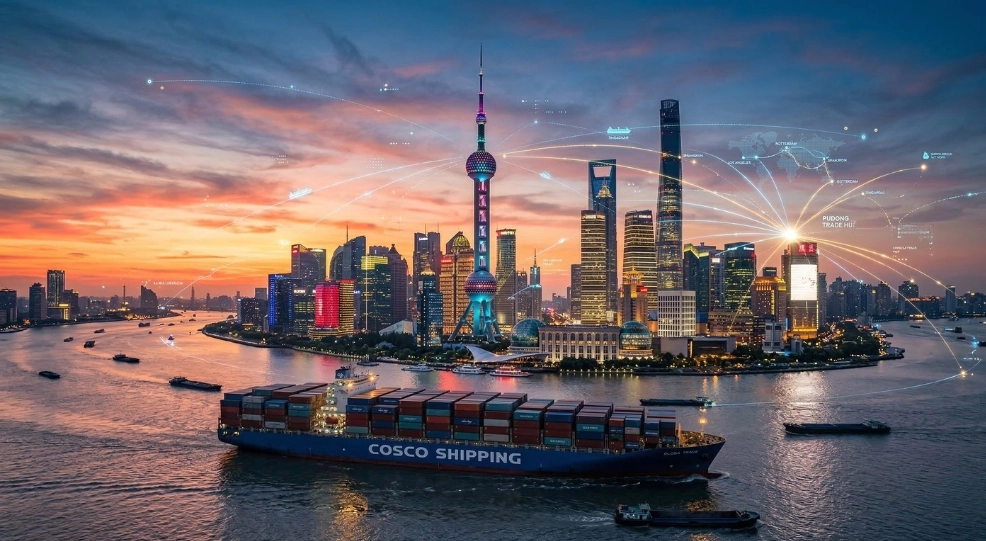
China is the world’s largest trading nation and a key hub of global commerce, making it one of the most attractive destinations for students who want to study International Trade in a real global business environment.
With its strategic role in global supply chains, international markets, and economic cooperation initiatives such as the Belt and Road Initiative, China offers students a unique opportunity to study trade, economics, and global business from the center of international commerce.
Many Chinese universities offer International Trade programs fully taught in English, allowing international students to earn a Bachelor’s, Master’s, or MBA degree without needing advanced Chinese language skills.
Students studying international trade in China gain strong analytical and practical skills in areas such as:
With its powerful export economy and global trade partnerships, China has become one of the best countries to study international trade and global business.
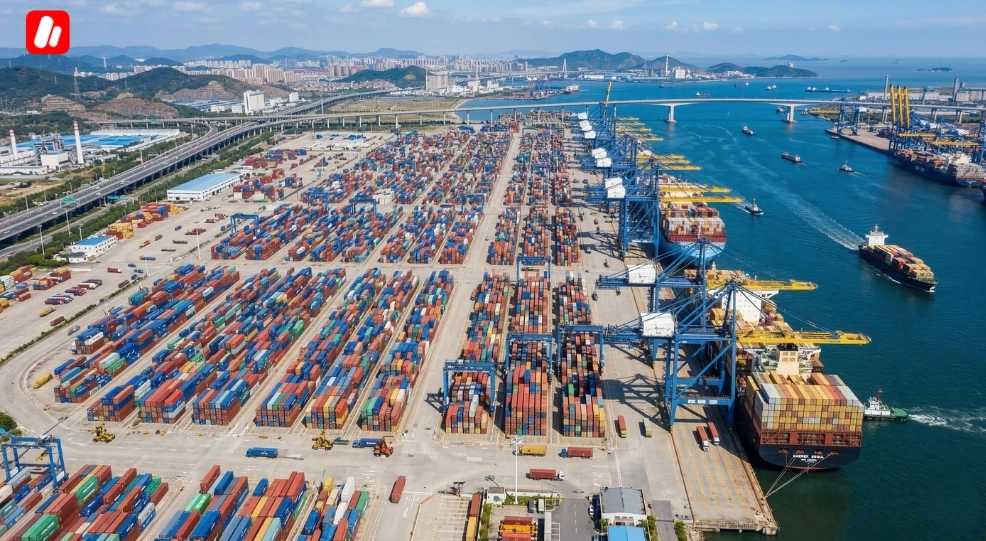
China plays a central role in global trade and manufacturing, making it one of the best places to study how international commerce actually works.
China is the largest exporter and one of the largest importers globally, which gives students direct exposure to global trade dynamics.
Students learn how international trade operates in areas such as:
Major Chinese cities such as Shanghai, Shenzhen, and Guangzhou are global commercial centers where multinational companies, shipping hubs, and trade organizations operate.
Students can observe how global trade systems function in real time.
Chinese universities have developed strong programs in international economics, trade policy, and global business strategy, often taught by professors with global research experience.
Many programs combine economics, business management, and policy analysis.
Compared with Western countries, studying international trade in China is much more affordable.
Typical tuition fees range between:
$2,500 – $6,500 per year
Students may access internships with:
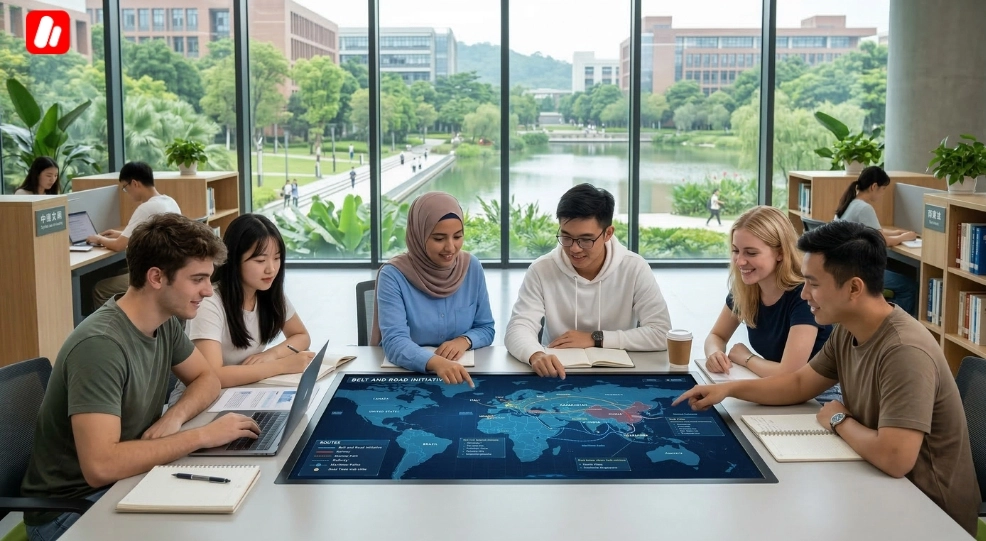
These experiences help students build practical knowledge of international commerce.
International trade programs in China offer several specialized tracks that prepare students for careers in global business and economic policy.
These programs focus on the economic principles that govern international trade.
Students study:
Import-export programs focus on practical business skills related to global trading operations.
Students learn about:
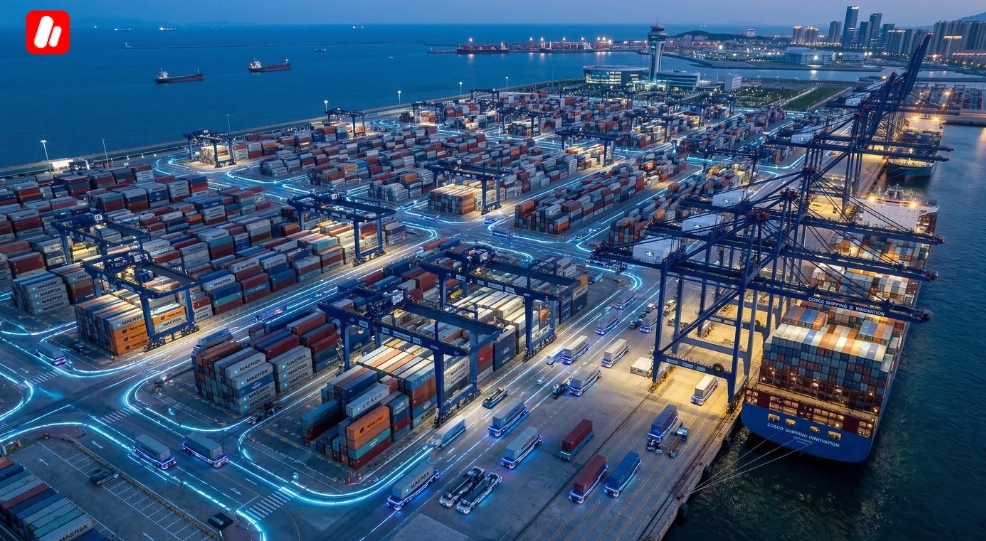
Logistics is a critical component of global trade, particularly in China’s manufacturing-driven economy.
Students study:
These programs focus on international economic policy and institutions.
Students explore:
Supply chain programs examine how goods move across borders and through production networks.
Students study:
This specialization combines trade knowledge with global business management.
Students explore:
China has several universities internationally recognized for programs in international trade and global economics.
Below is a ranking guide of some of the top universities for studying international trade in China.
| University | City | Strengths in International Trade |
| University of International Business and Economics | Beijing | international trade, global economics |
| Tsinghua University | Beijing | global business, economic policy |
| Peking University | Beijing | international economics, trade policy |
| Fudan University | Shanghai | global trade, finance |
| Shanghai Jiao Tong University | Shanghai | international business, global markets |
| Zhejiang University | Hangzhou | global business innovation |
| Sun Yat-sen University | Guangzhou | trade logistics, international business |
| Renmin University of China | Beijing | economics, trade policy |
| Shanghai University of Finance and Economics | Shanghai | international finance, trade economics |
| Nanjing University | Nanjing | global economics, international trade research |
These universities offer Bachelor’s, Master’s, and doctoral programs in English designed for international students.
International trade programs in China are relatively affordable compared with Western universities.
| Program Level | Average Tuition |
| Bachelor’s Degree | $2,500 – $5,000 |
| Master’s Degree | $3,000 – $6,500 |
| MBA / Business Programs | $5,000 – $12,000 |
Programs that combine international trade with business management or MBA training may have slightly higher tuition fees.
Many international students studying international trade in China receive financial support.
The CSC Scholarship usually covers:
Several Chinese provinces provide scholarships to attract international students.
Examples include:
Many universities offer merit-based scholarships for international students with strong academic records.
These scholarships may cover partial or full tuition fees.

Admission requirements vary depending on the program level and the university.
Students applying for undergraduate international trade programs must submit:
Documents may need to be translated into English or Chinese.
Starting from the 2026 admission cycle, international students applying for undergraduate programs must submit a CSCA score report.
The CSCA Test (China Scholastic Competency Assessment) evaluates whether students meet the academic standards required for Chinese universities.
The exam usually assesses:
To help students prepare, Great Wall Education provides a CSCA mock test, allowing applicants to practice before taking the official examination.
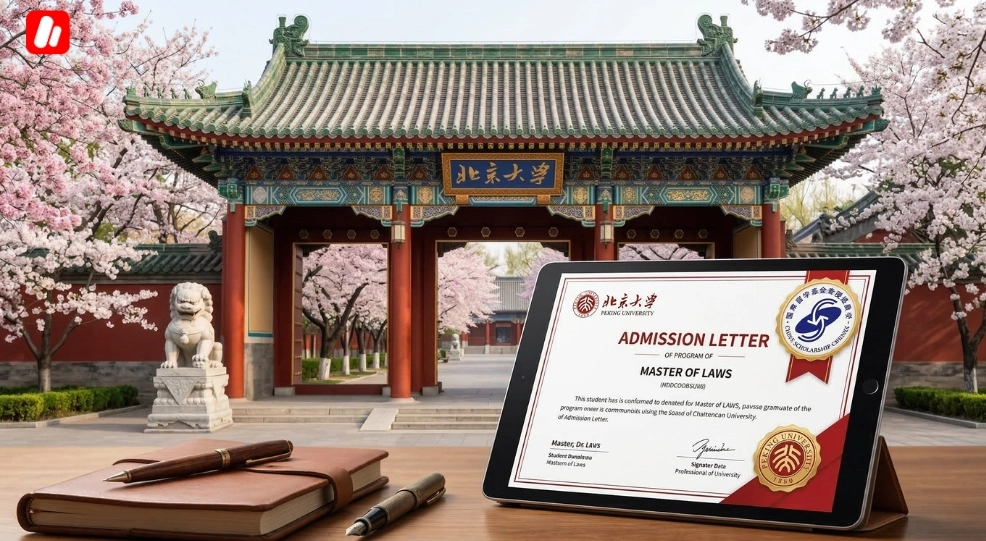
Applicants typically need to submit:
Students must demonstrate English proficiency through one of the following tests.
| English Test | Typical Required Score |
| IELTS Academic | 6.0 – 6.5 |
| TOEFL iBT | 80 – 90 |
| Duolingo English Test | 105 – 120 |
Some universities may also accept a Medium of Instruction (MOI) certificate confirming previous education in English.
Applying to Chinese universities can be complicated for international students because of documentation requirements, scholarship procedures, and visa processes.
Great Wall Education supports students throughout the entire application process, including:
If you are planning to study International Trade in China, choosing the right university and specialization is essential for building a successful career in global business.
Students who want professional assistance can CONTACT Great Wall Education for personalized support with university applications in China.
Their team helps identify the best programs and guides students through every stage of the admission process.
Yes. Many universities offer international trade programs fully taught in English, particularly at the master’s level.
Tuition fees typically range between $2,500 and $6,500 per year, depending on the university and program.
Yes. International students can apply for:
Chinese Government Scholarship (CSC)
provincial government scholarships
university scholarships
What are the best universities in China for International Trade?
Top universities include:
University of International Business and Economics
Tsinghua University
Peking University
Fudan University
Shanghai Jiao Tong University
Yes. Degrees from leading Chinese universities are recognized globally, especially in fields such as international trade, global economics, and international business.
Introduction China is the world’s largest trading nation and a key hub of
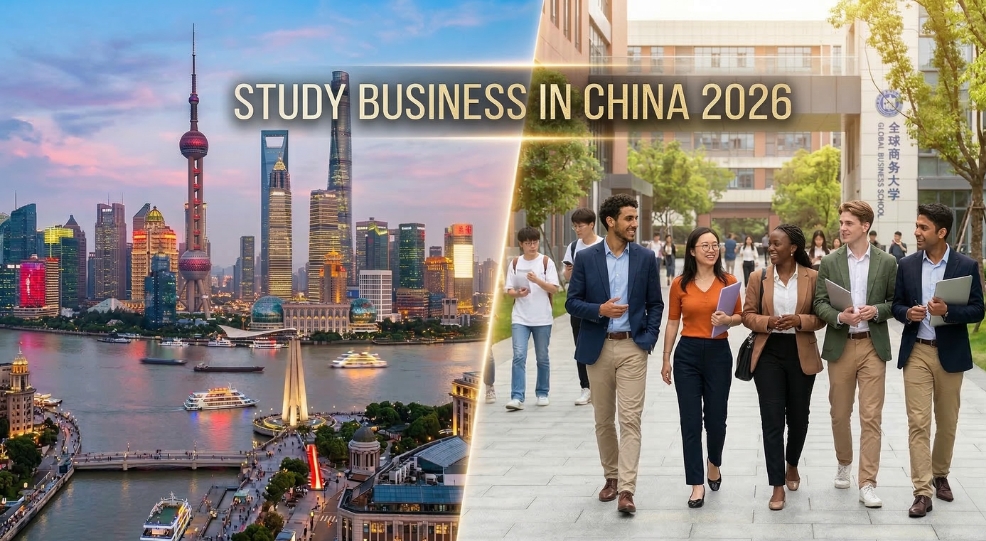
Introduction China has become one of the largest global economic powers, making it

Introduction China has become one of the global leaders in technology, artificial intelligence,